13 Tibetan Associations Unite in Zurich in a Powerful Candlelight March to Honour Pawo Lobga Rangzen on the 33rd Day Since His Passing
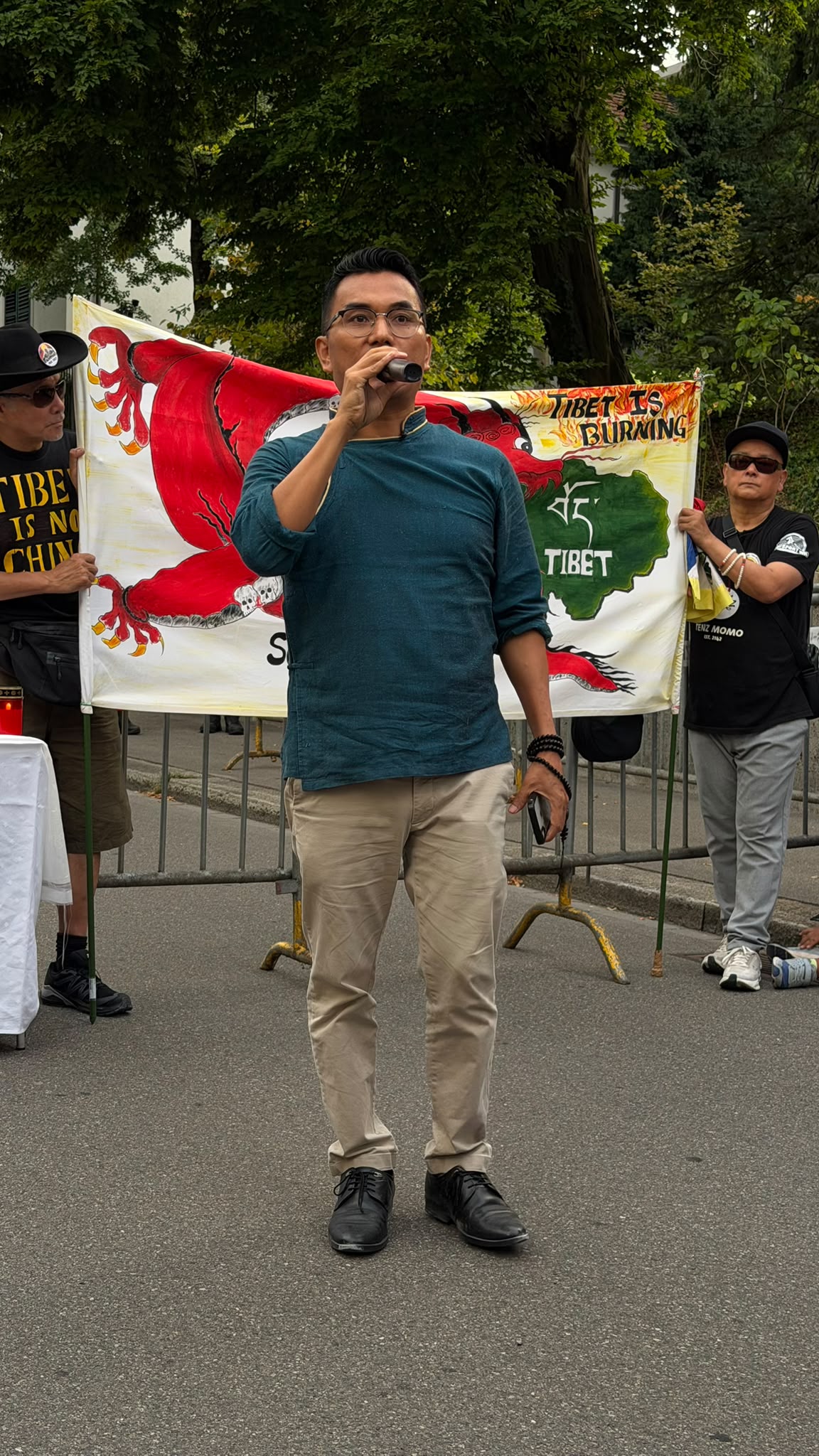
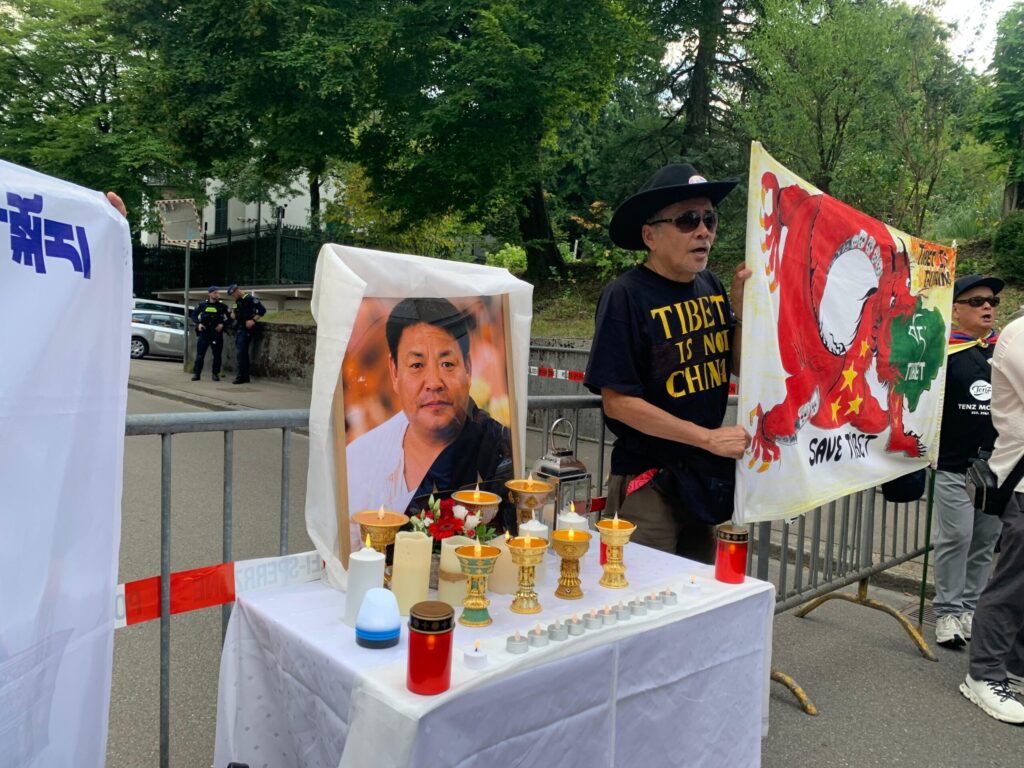
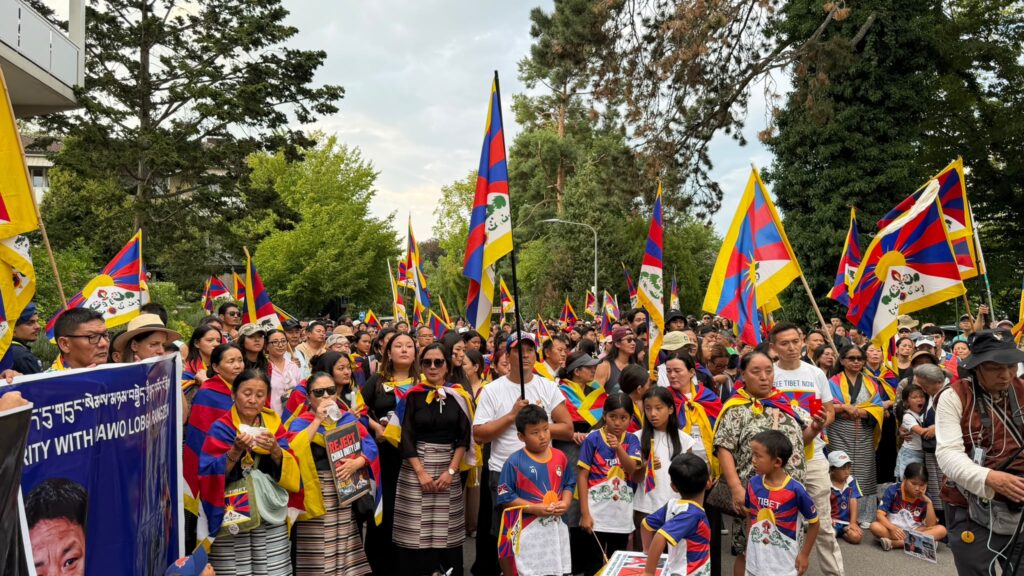
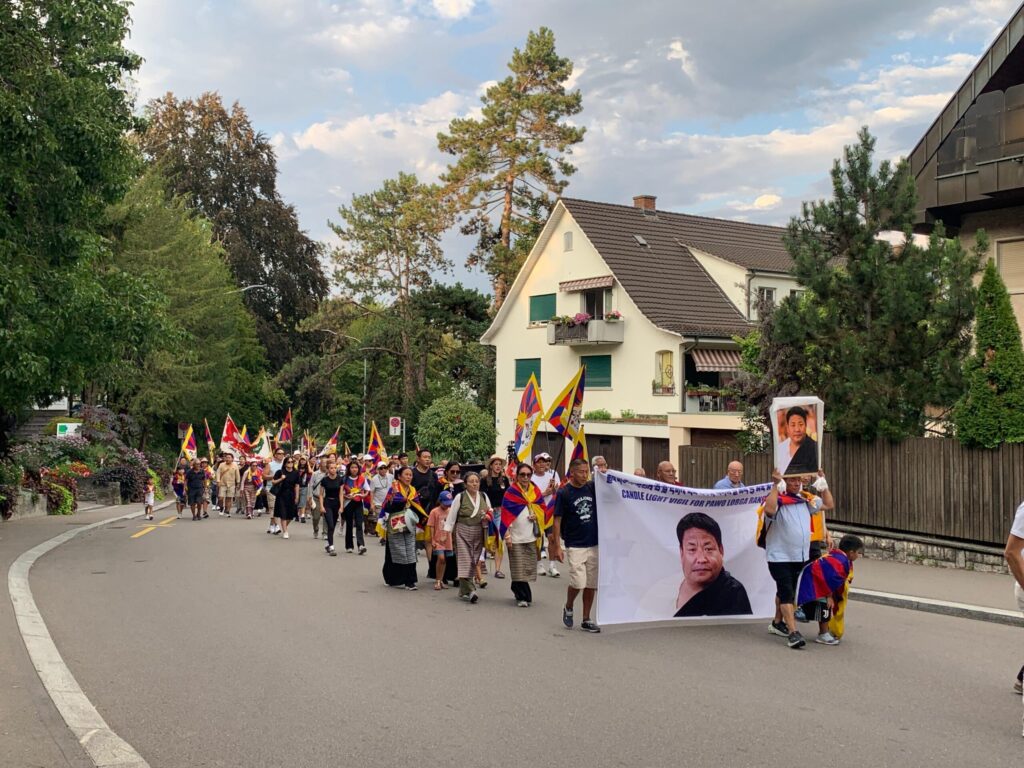
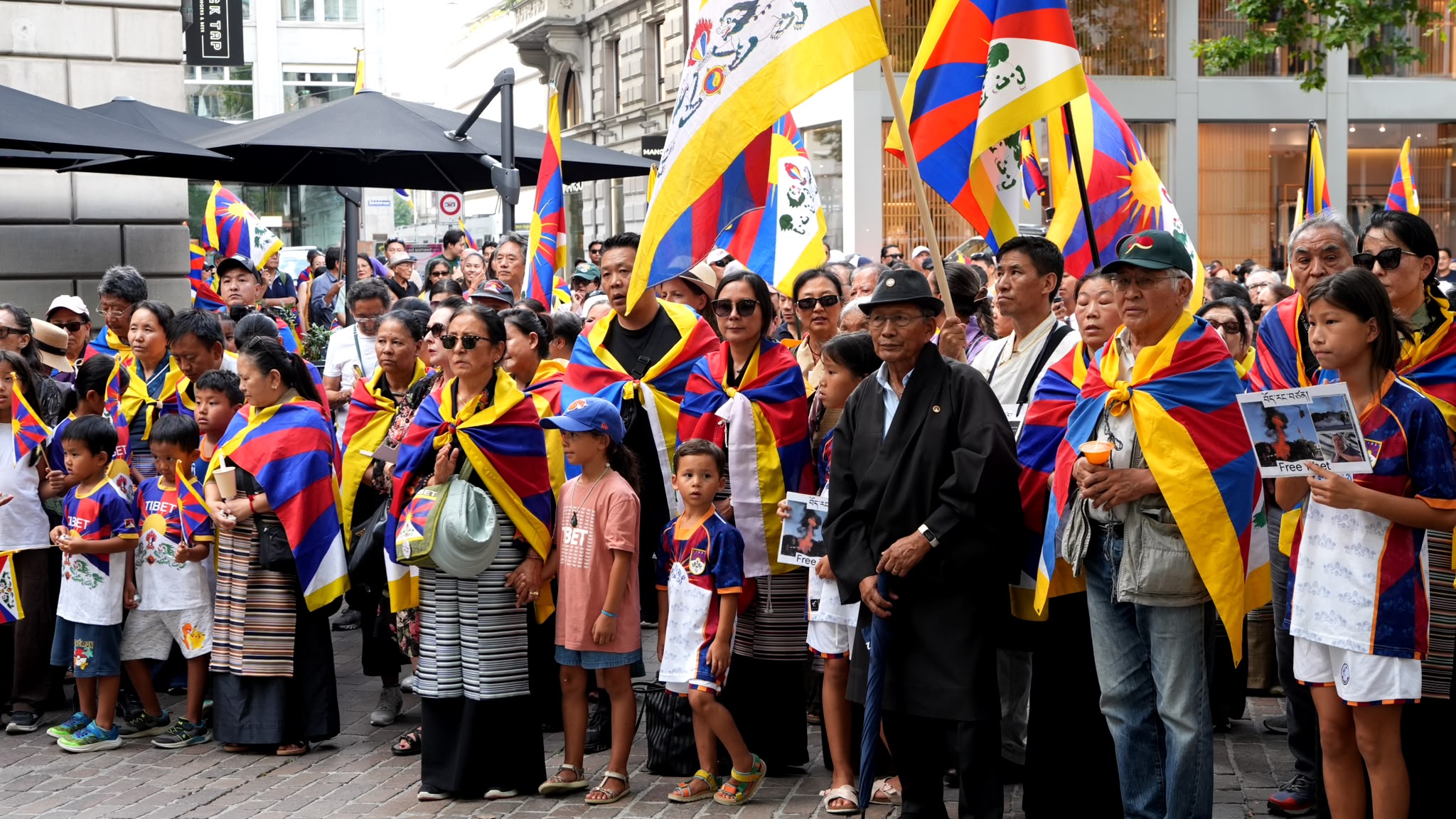
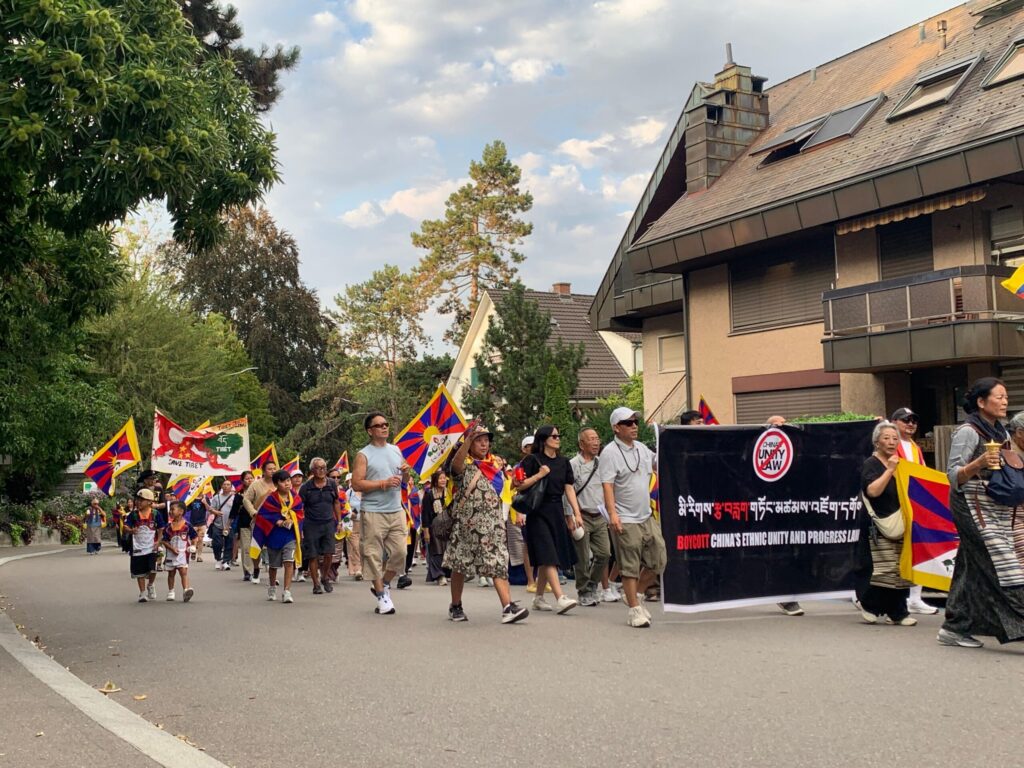
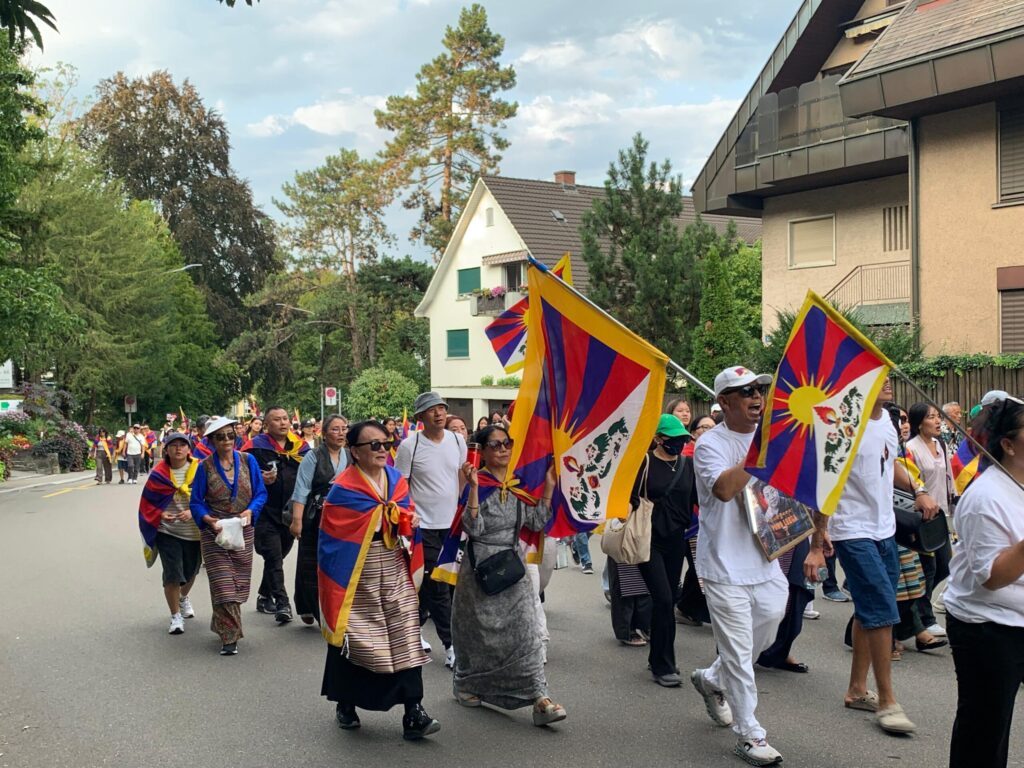
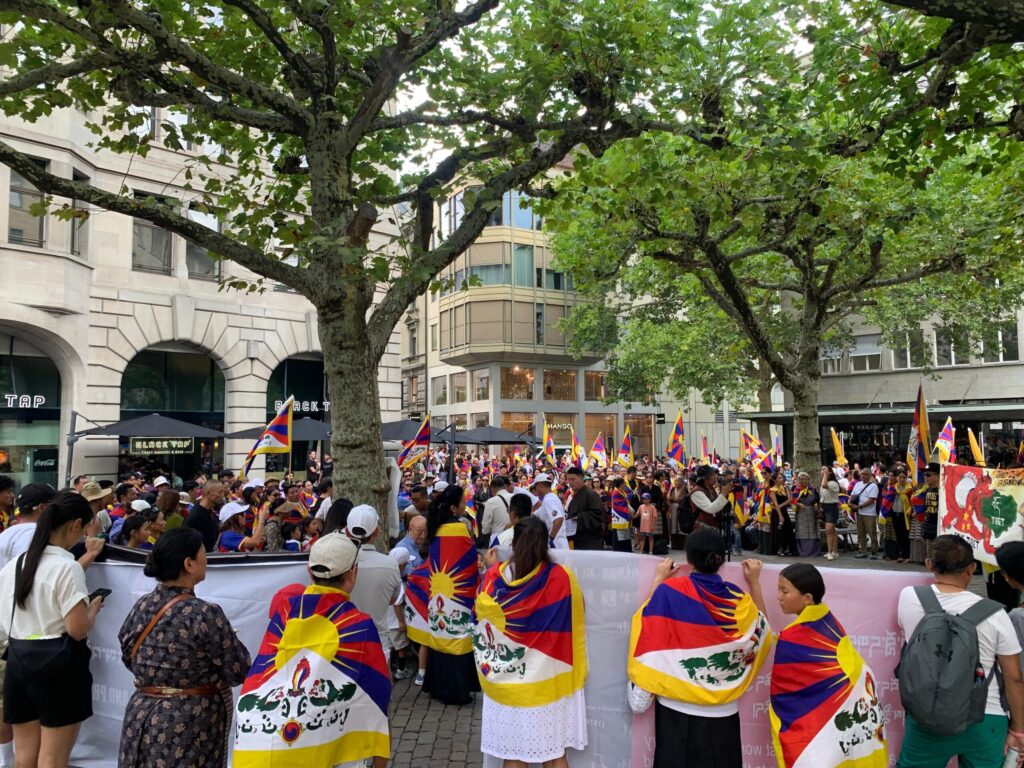
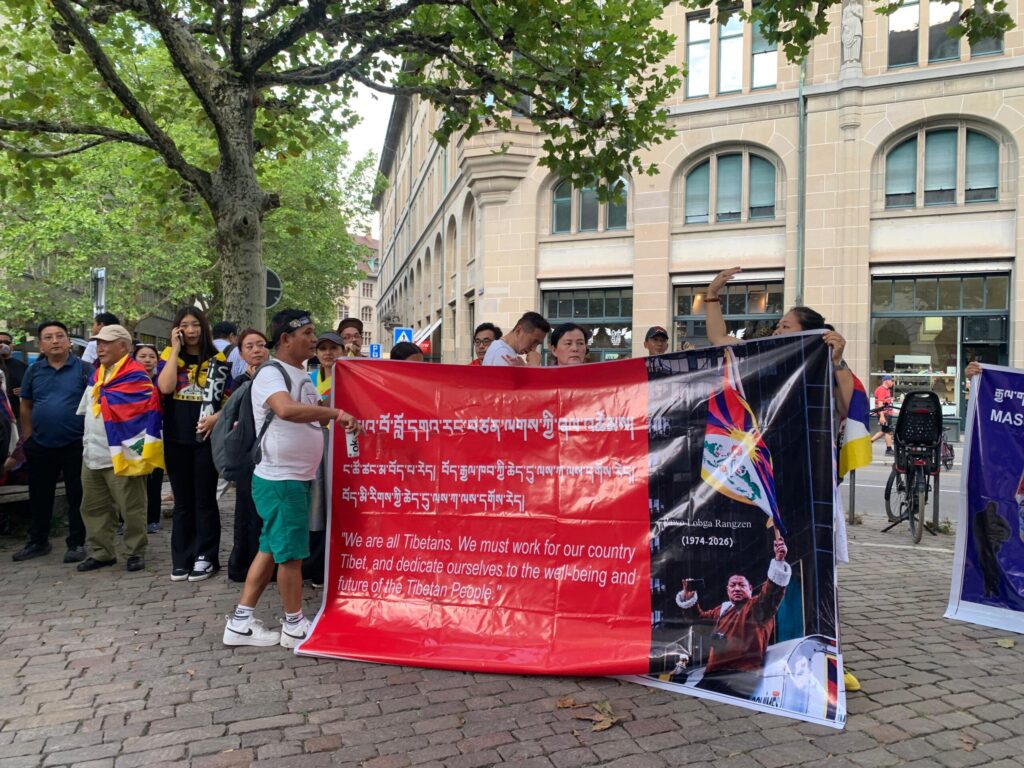
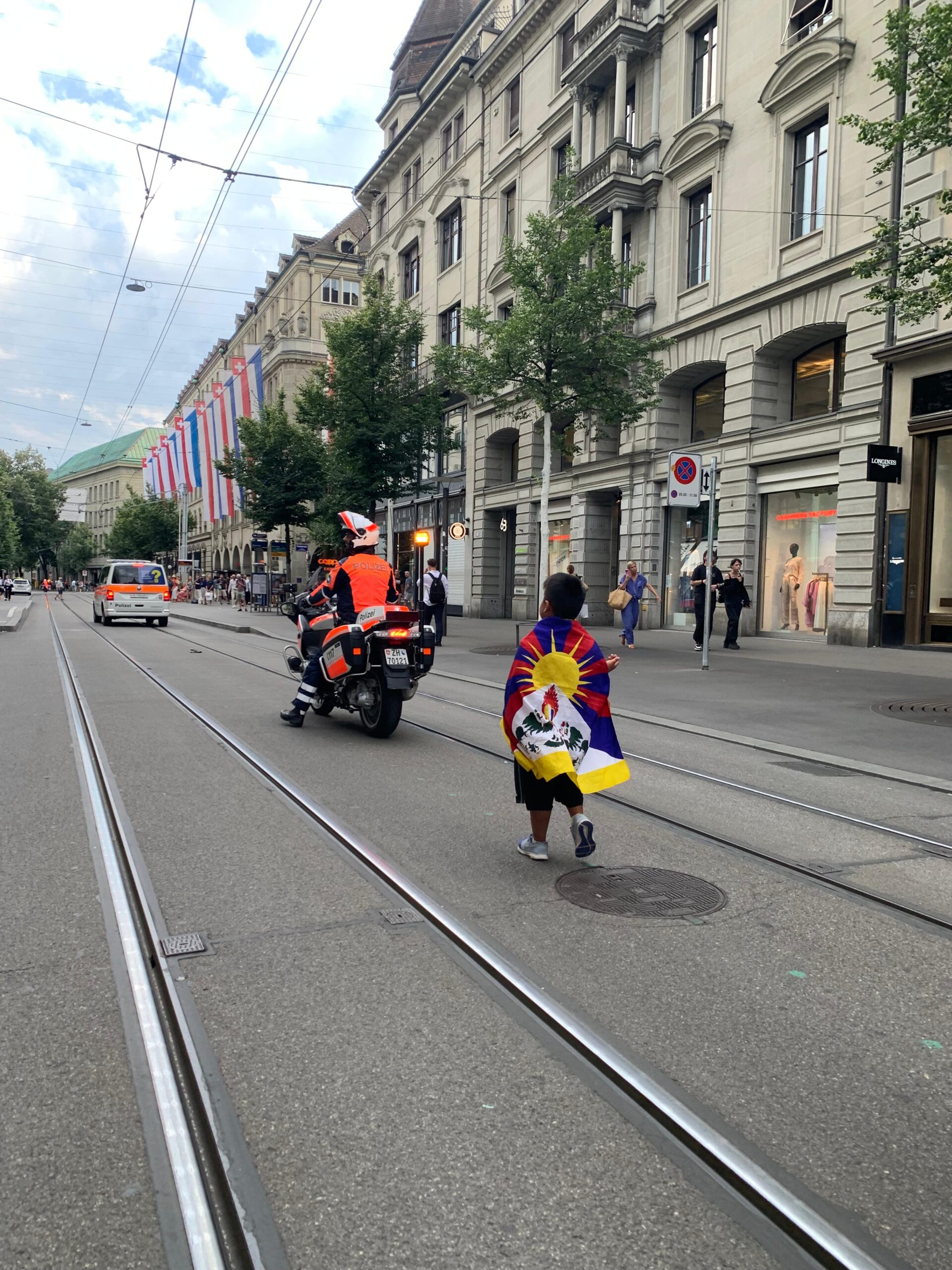
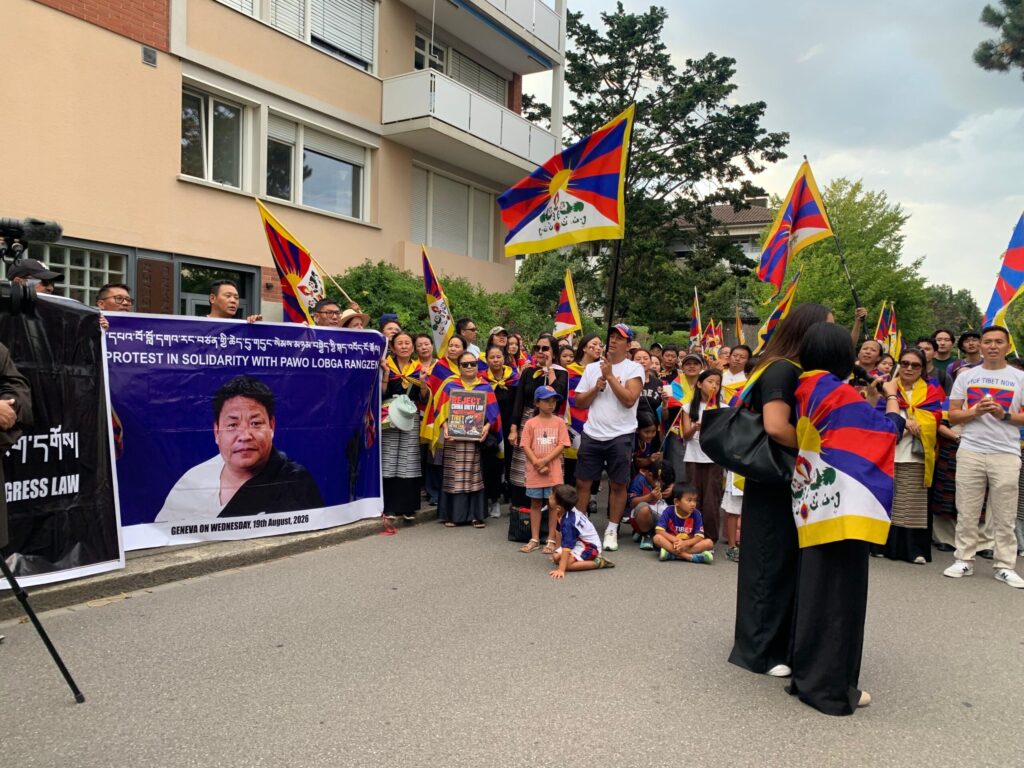
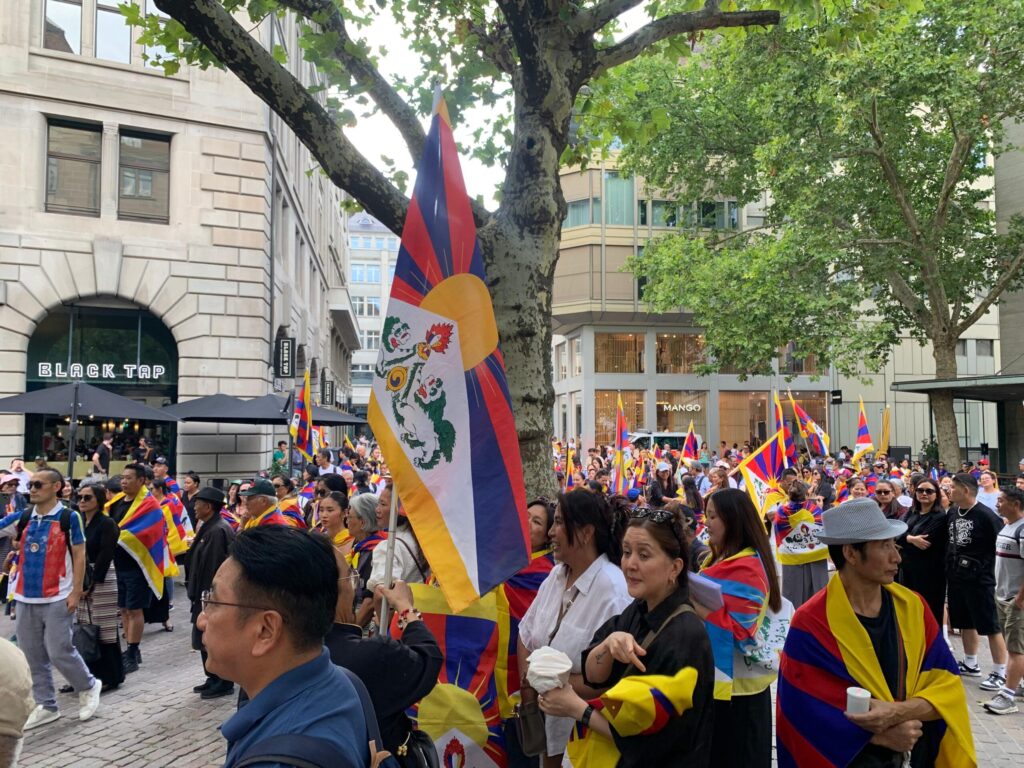
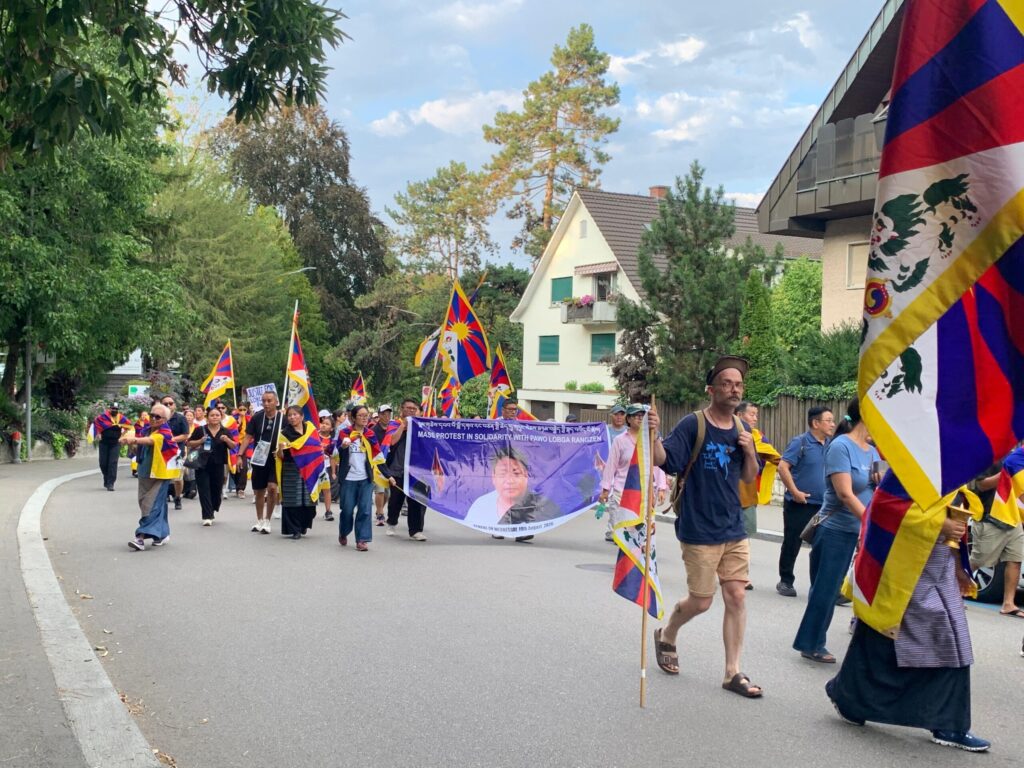
Thirteen Tibetan associations in Switzerland jointly organised a peaceful candle march in Zurich on 5 August 2026 to commemorate the 33rd day since the passing of Tibetan self-immolator Pawo Lobga Rangzen. More than 700 people participated in the march, which began at Werdmühleplatz Zurich and proceeded towards the Chinese Embassy in Zurich.
During the programme, representatives of the organising associations delivered speeches and jointly read a press statement explaining the purpose of the gathering and remembering Lobga Rangzen’s final message.
The Tibet Bureau Geneva’s UN Advocacy Officer, Phuntsok Topgyal, attended the event on behalf of Representative Thinlay Chukki. In his address, he spoke about the circumstances surrounding Lobga Rangzen’s self-immolation, including the location, timing, final message, and the circumstances of his passing.
Phuntsok Topgyal stated that Lobga Rangzen carried out his self-immolation following the implementation of what he described as China’s ethnic unity and related policies, which, according to him, threatened Tibetan culture, language, and identity. He said that Lobga Rangzen’s action was intended to draw international attention to the situation in Tibet, seek greater international support for the Tibetan cause, and call for the repeal of those policies.
Speaking about Lobga Rangzen’s final message, Phuntsok Topgyal emphasised that his words should not be interpreted as suggesting that Tibetans lack unity. Phuntsok Topgyal said, “Today, more than 700 people have gathered for this protest, and 13 different Tibetan associations have come together to organise this event. This reflects the unity of our people.”
He further explained that Lobga Rangzen had witnessed the situation inside Tibet, experienced life in exile in India, and observed the decades of dedicated work carried out by His Holiness the Dalai Lama for Tibet and the Tibetan people. After moving to the United States, Lobga Rangzen also witnessed the lives of Tibetans living in the diaspora. According to Phuntsok Topgyal, Lobga Rangzen acknowledged that many Tibetans overseas had achieved economic stability and had himself said, “It is not that I lack food or shelter. I have everything.” However, despite having a comfortable life, he carried deep emotional pain every day because, in his view, some Tibetans who fully understood the situation in Tibet had nevertheless become involved with the Chinese government. Phuntsok Topgyal said that this was why Lobga Rangzen urged Tibetans to remember their identity, encouraging everyone to think, “I am Tibetan.”
Phuntsok Topgyal also explained why Lobga Rangzen chose the United Nations Headquarters in New York, rather than the Chinese Embassy, as the location for his self-immolation. He noted that Lobga Rangzen was not the first person to self-immolate in front of the UN Headquarters in New York. According to him, Roger Allen LaPorte self-immolated there in 1965 in protest against the Vietnam War, making Lobga Rangzen the second known person to do so.
He also noted that there have been three recorded incidents of self-immolation in front of the United Nations Office at Geneva. According to Phuntsok Topgyal, while Lobga Rangzen was not the first Tibetan to self-immolate, he was the first Tibetan to carry out a self-immolation in front of the United Nations Headquarters in New York.
Recalling Lobga Rangzen’s final moments, Phuntsok Topgyal said that, despite suffering extreme pain, he remained calm and did not run, shout, or jump. Instead, he stood motionless, “like a burning lamp or candle.” According to Phuntsok Topgyal, after his body had been severely burned, Lobga Rangzen slowly lowered himself, extended his hands forward, and fell into a full prostration facing the United Nations Headquarters building.
Phuntsok Topgyal said this reflected Lobga Rangzen’s belief that, even in his final moments, the United Nations Headquarters was akin to a temple, a place where his prayers and message could reach the international community and where support for the Tibetan cause might be found.
Phuntsok Topgyal further stated that Lobga Rangzen’s decision reflected his commitment to the principles of non-violence taught by His Holiness the Dalai Lama. He said that although Lobga Rangzen could have chosen violence, he instead followed the path of non-violence and sacrificed his life to convey his message to Tibetans and to the wider international community.
In his closing remarks, Phuntsok Topgyal expressed concern that more than one month had passed since Lobga Rangzen’s self-immolation, yet, according to him, the United Nations had not publicly responded. He called on Tibetans around the world to continue submitting appeals and messages of concern to the United Nations, parliamentarians, and governments in order to promote greater international awareness and support for the Tibetan cause.
He added that while international recognition alone may not restore Tibet’s freedom, acknowledging Lobga Rangzen’s sacrifice would ensure that his action is recorded in international history as a peaceful self-immolation carried out in front of the United Nations Headquarters in New York for the cause of Tibetan freedom. He concluded by expressing the hope that representatives of all 193 United Nations Member States would have the opportunity to learn about and better understand the Tibetan issue and the message left behind by Pawo Lobga Rangzen.