Tibetan Communities Across Europe Commemorate 49th Day of Lobga Rangzen’s Self-Immolation in Geneva
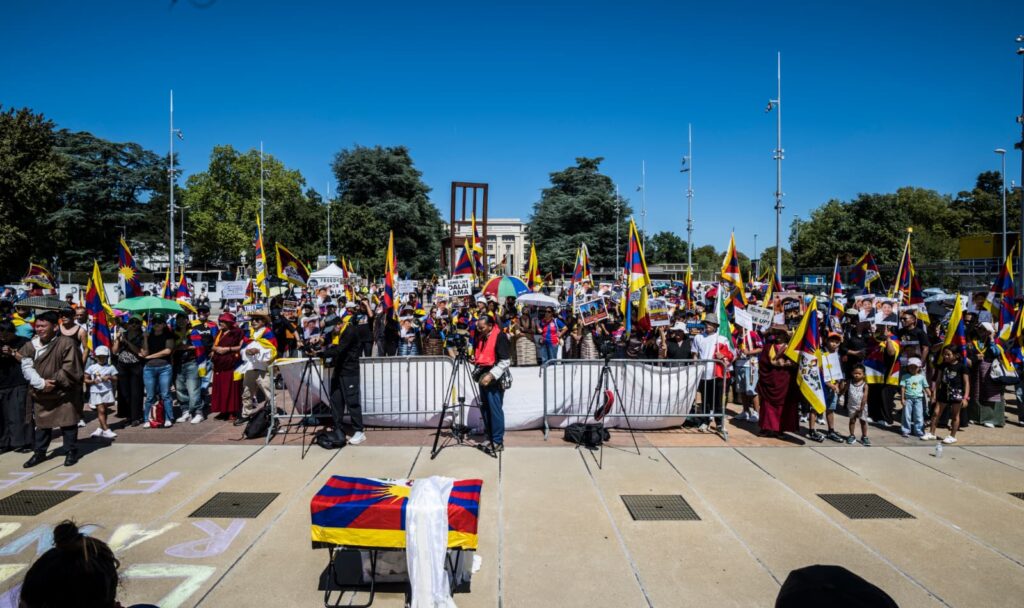
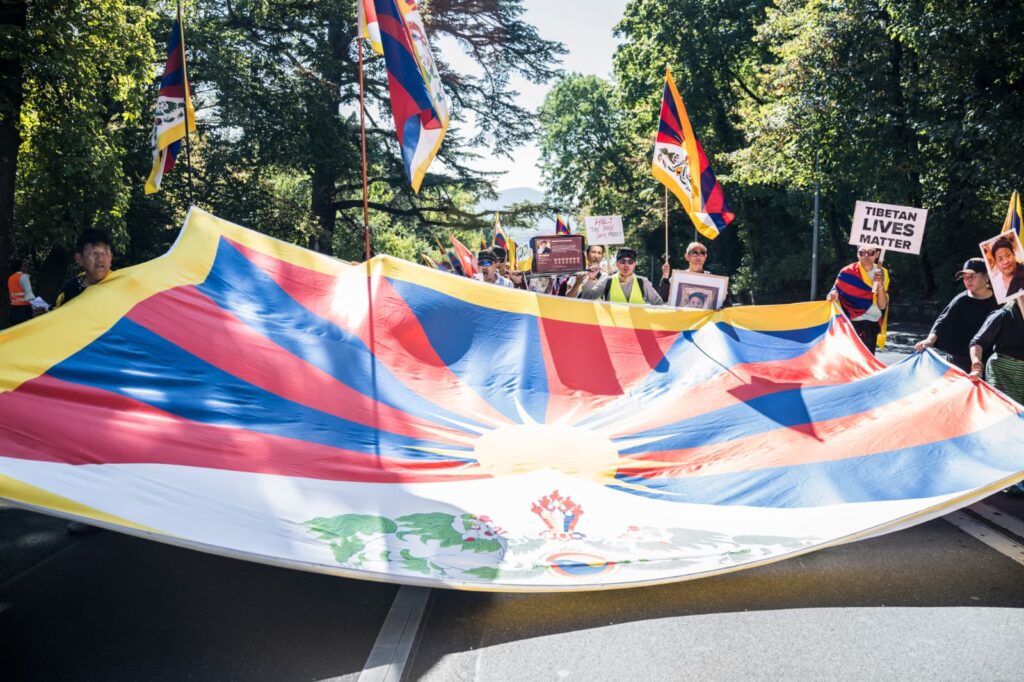
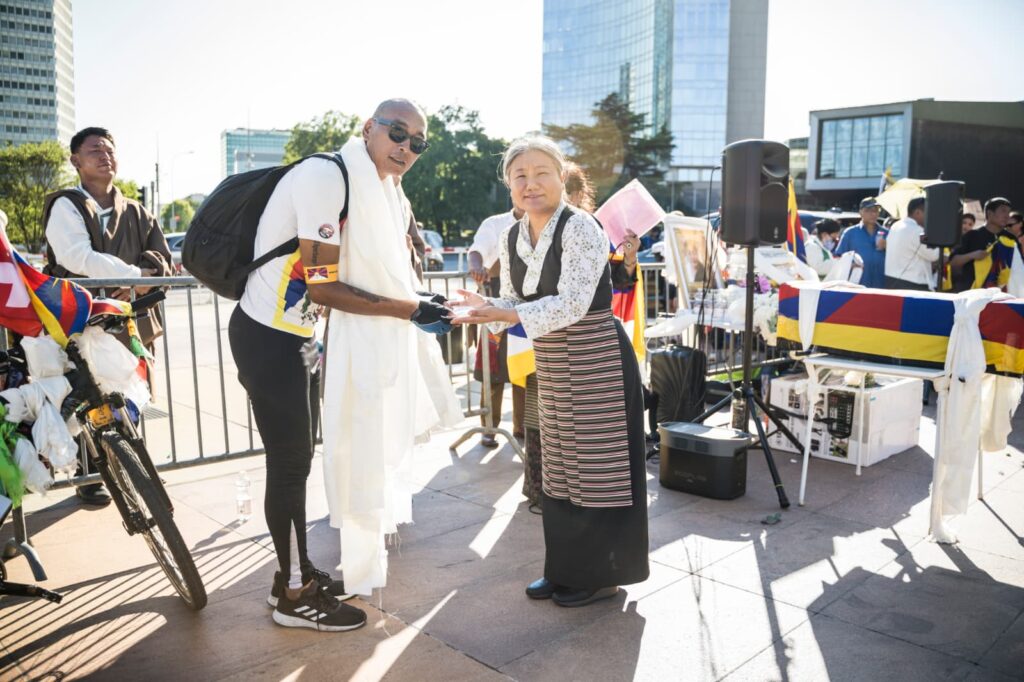
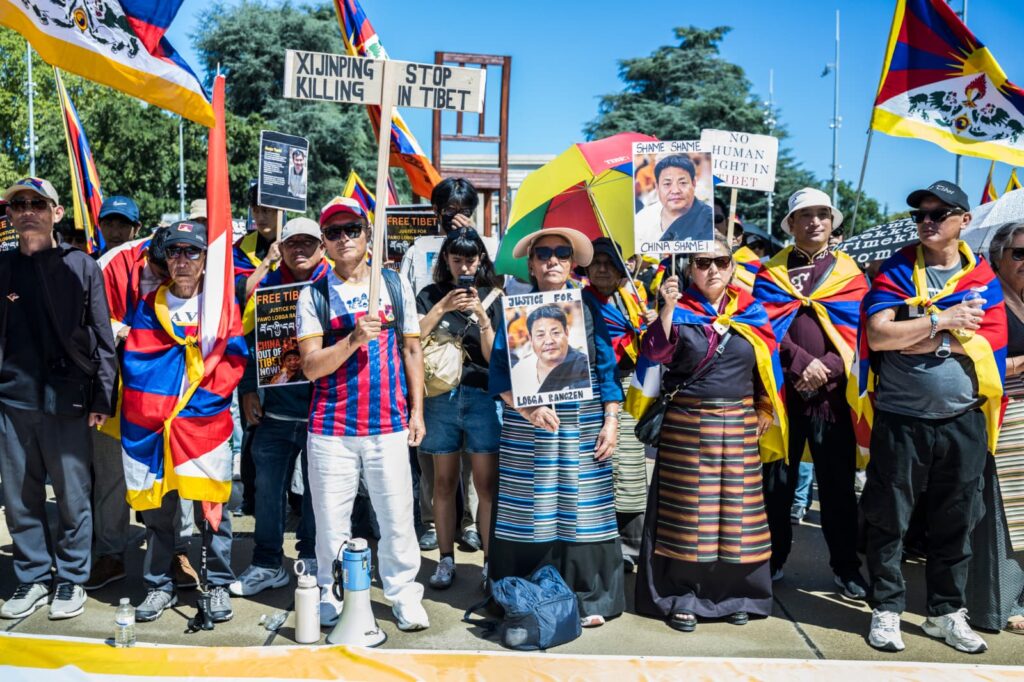
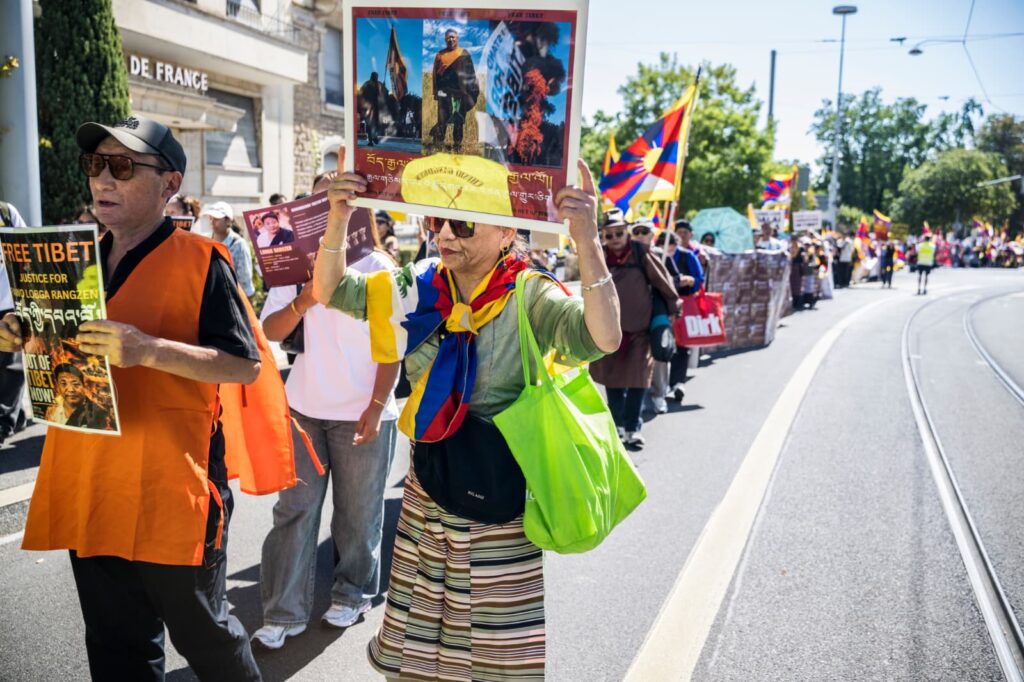
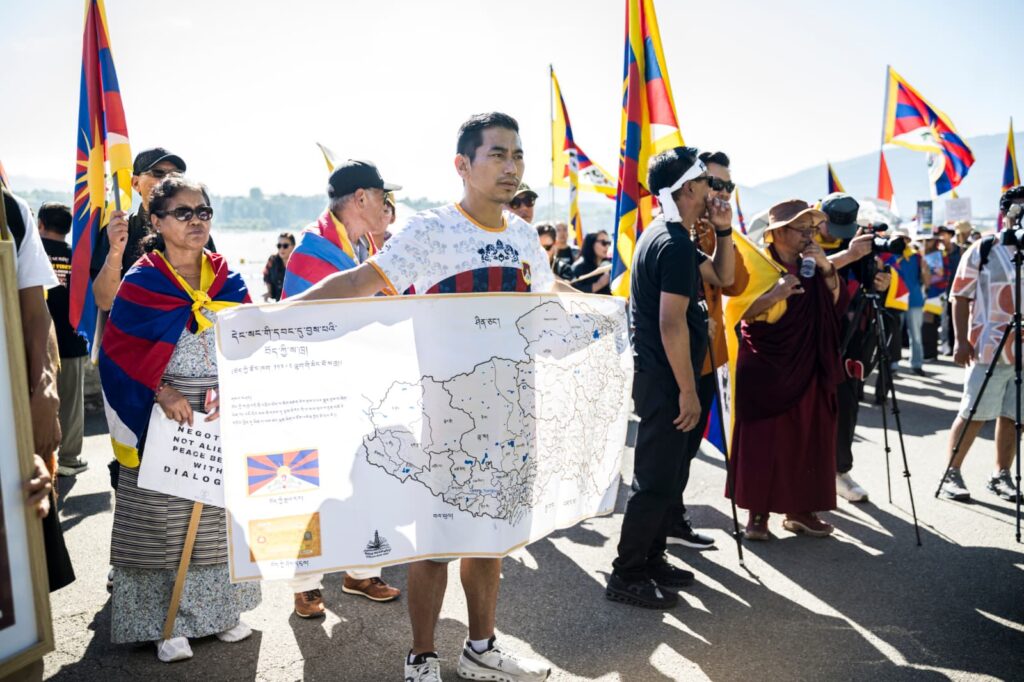
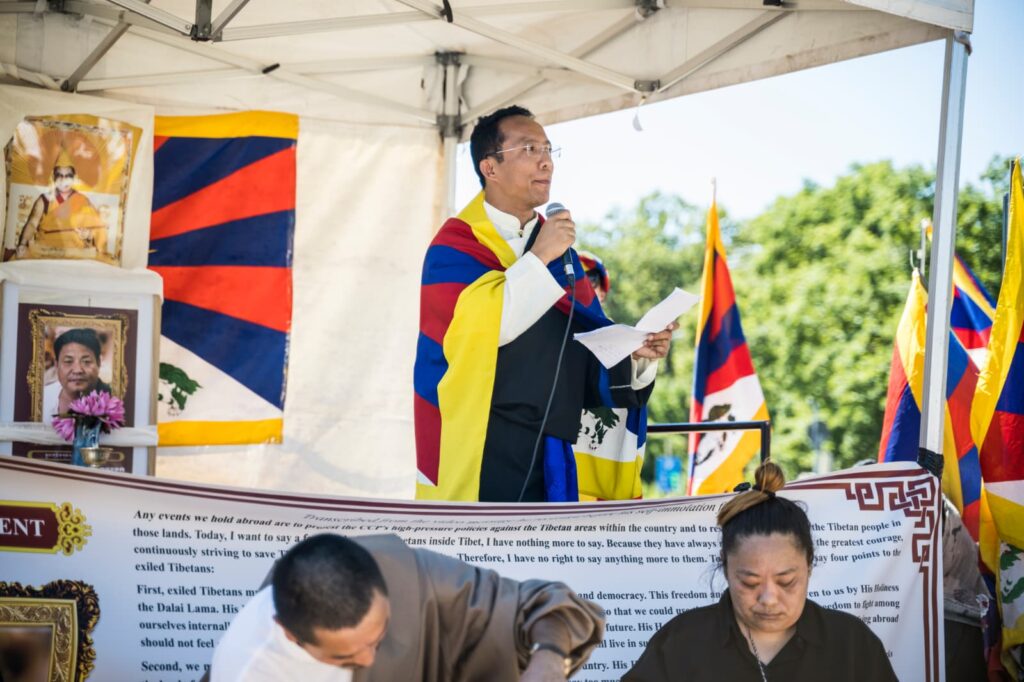
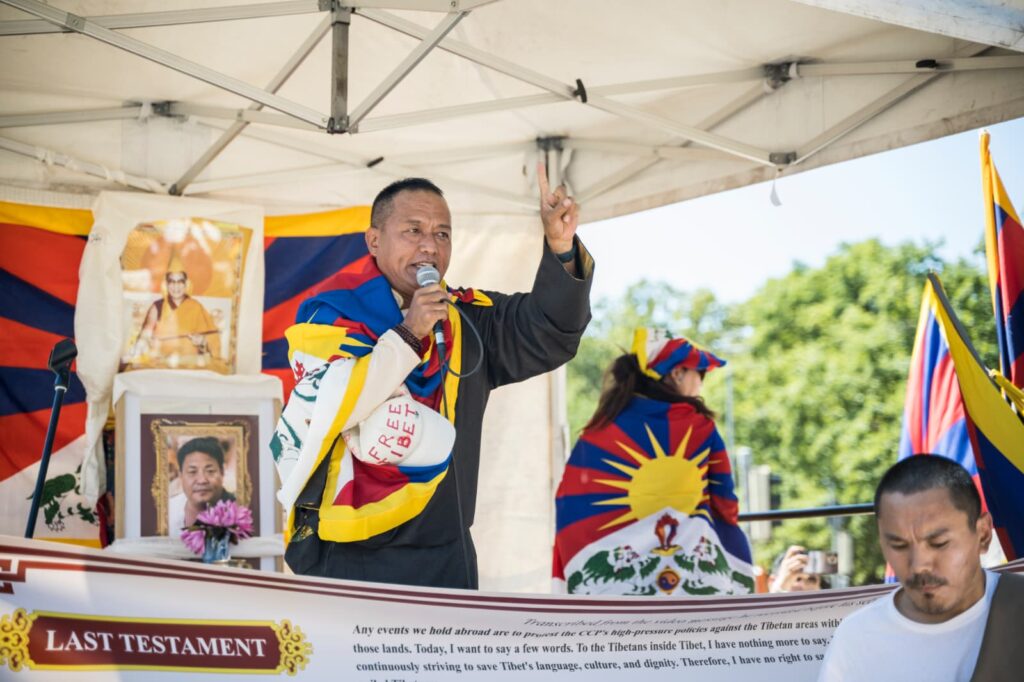
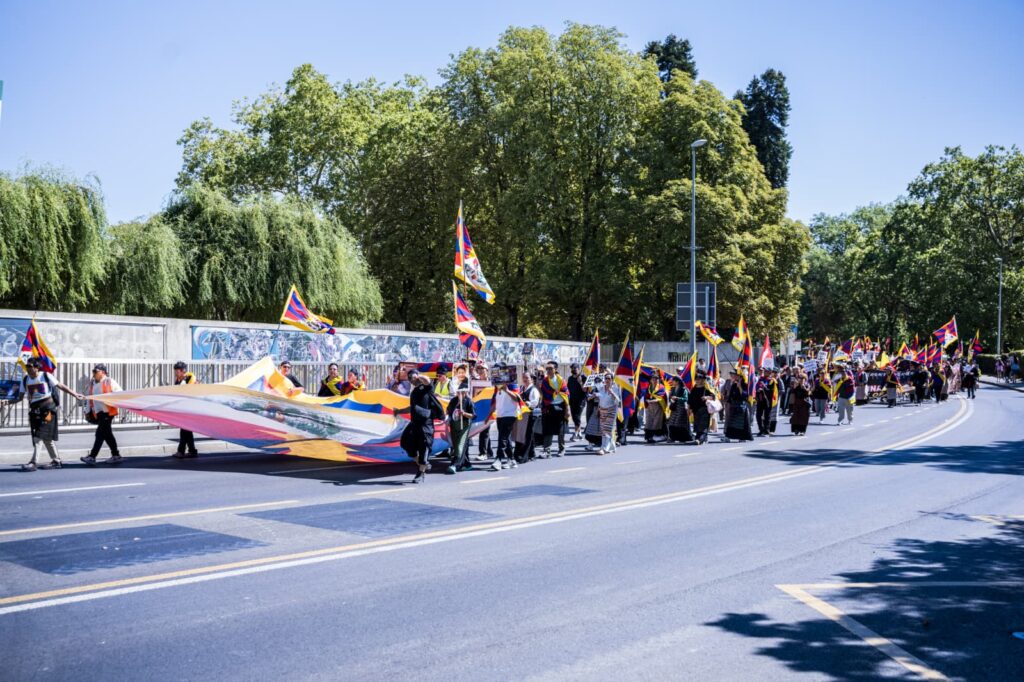
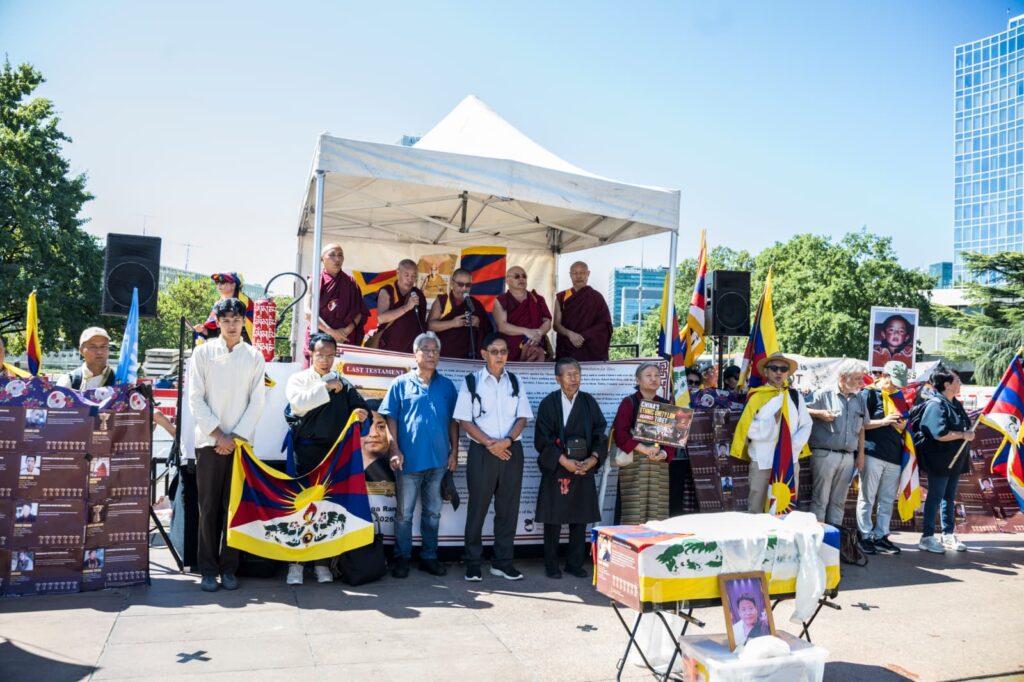
More than 1,000 Tibetans and supporters from across Europe gathered in Geneva on Wednesday, 19 August, to commemorate the 49th day since the self-immolation of Lobga Rangzen in front of the United Nations Headquarters in New York and to call on the international community to uphold the rights, identity and freedom of the Tibetan people.
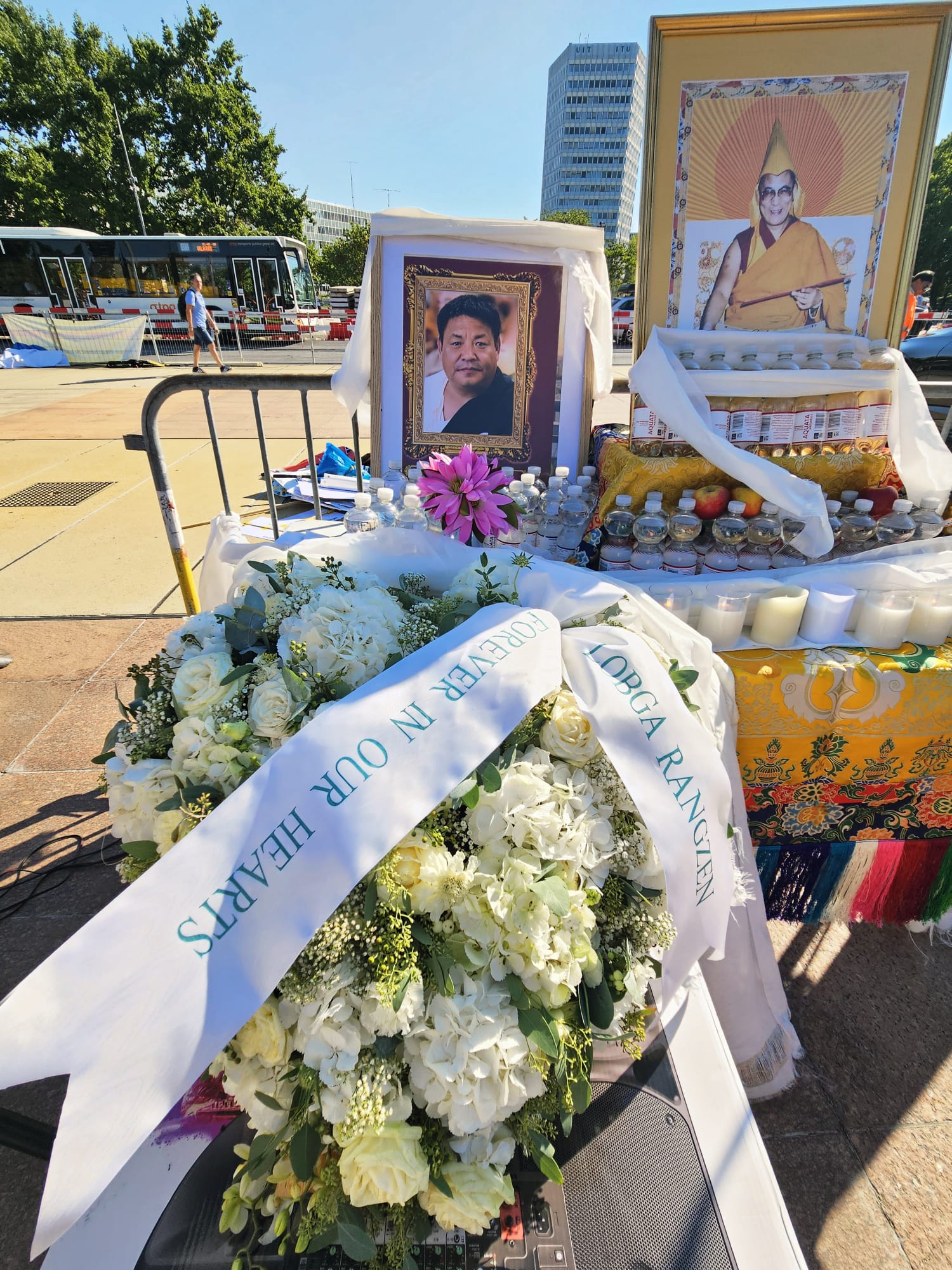
The large-scale demonstration and prayer gathering began with a march from Palais Wilson to the United Nations Office at Geneva, culminating near the Broken Chair, a longstanding symbol of opposition to landmines and violence. In the evening, participants gathered at the same location for a candlelight prayer ceremony in remembrance of Lobga Rangzen and his sacrifice.
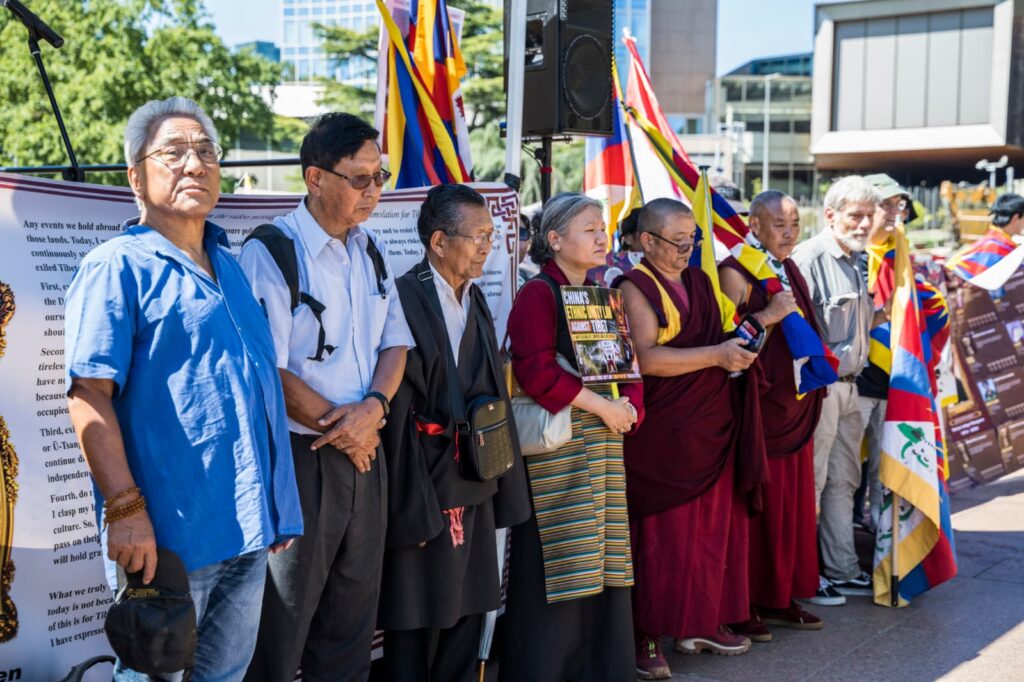
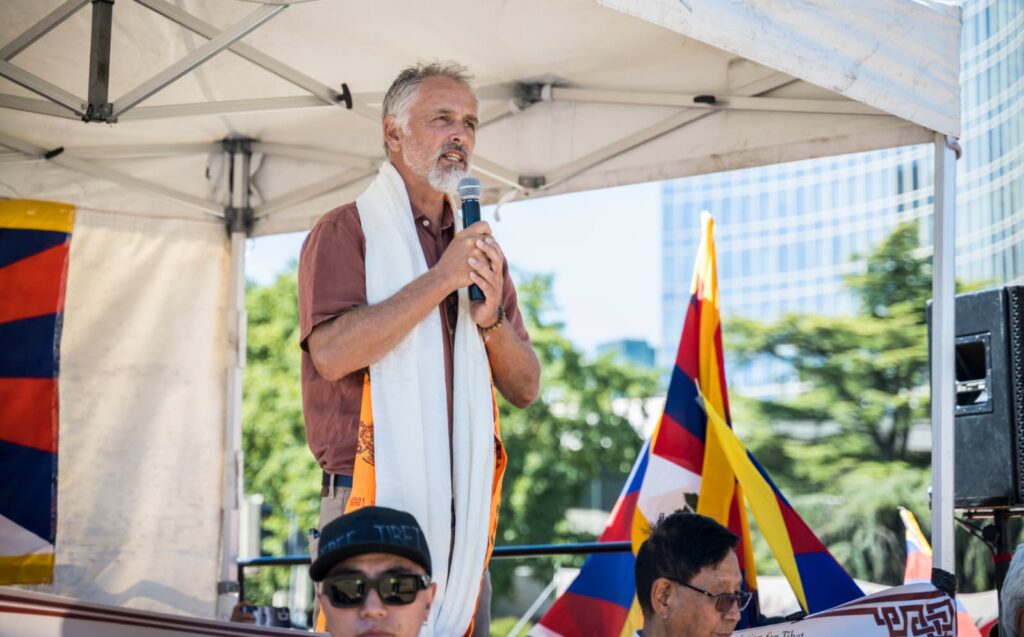
The commemoration brought together Tibetan communities and organisations from Switzerland and Liechtenstein, Germany, the Netherlands, Spain, France, Austria, Sweden, Italy and the United Kingdom, alongside the Swiss Tibetan Women’s Association, the Gesellschaft Schweizerisch-Tibetische Freundschaft (GSTF), the Tibetan Youth Association in Europe (TYAE), and V-TAG. Tibetan community leaders from across Europe also addressed the gathering.
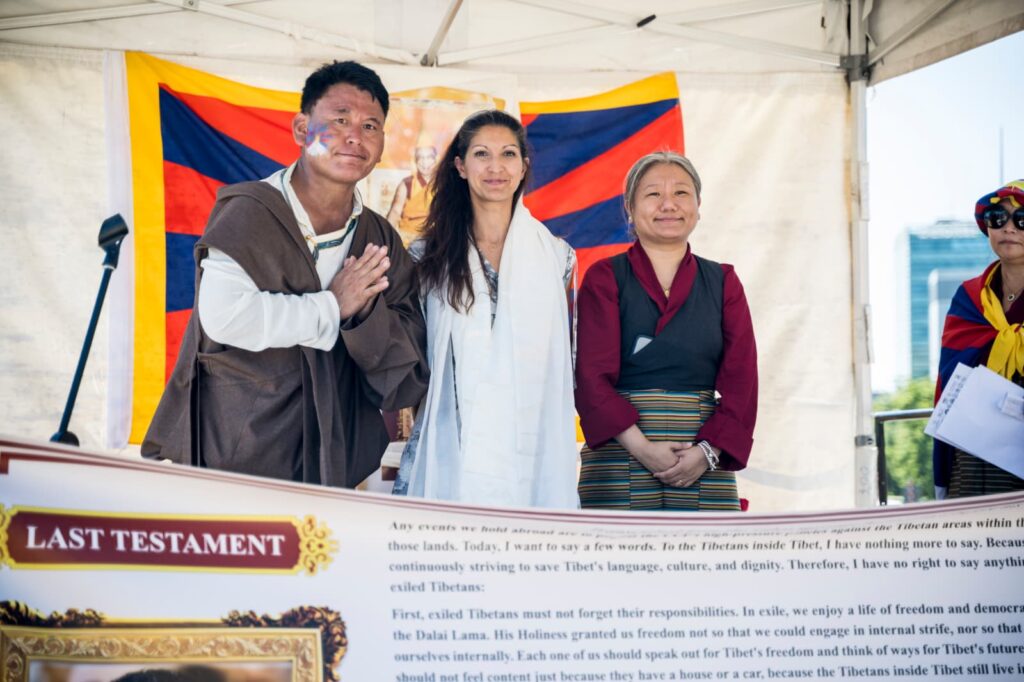
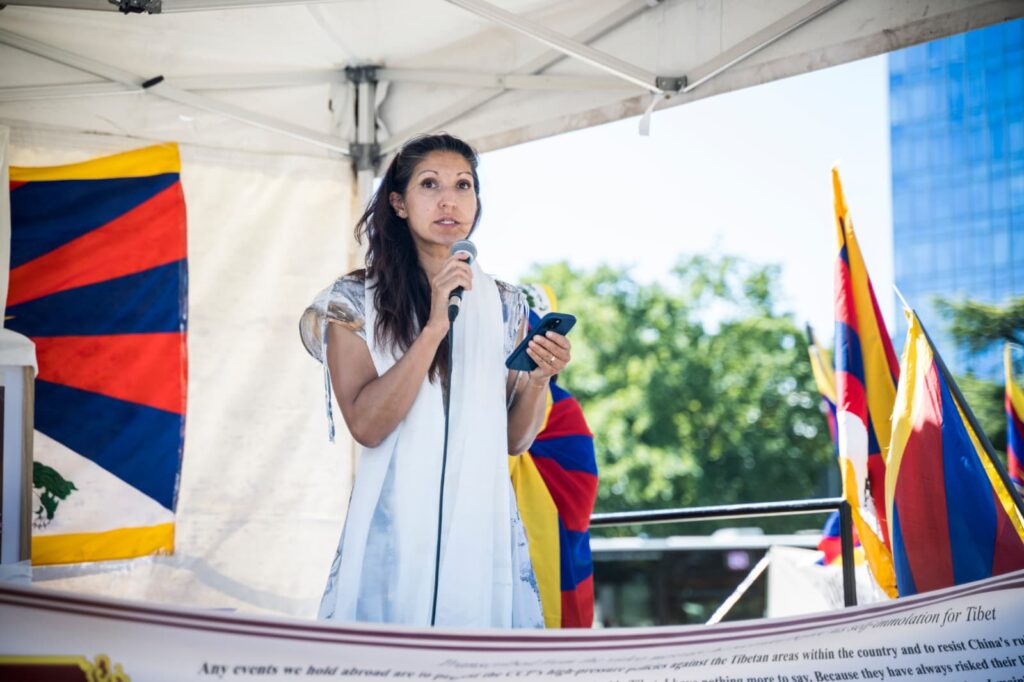
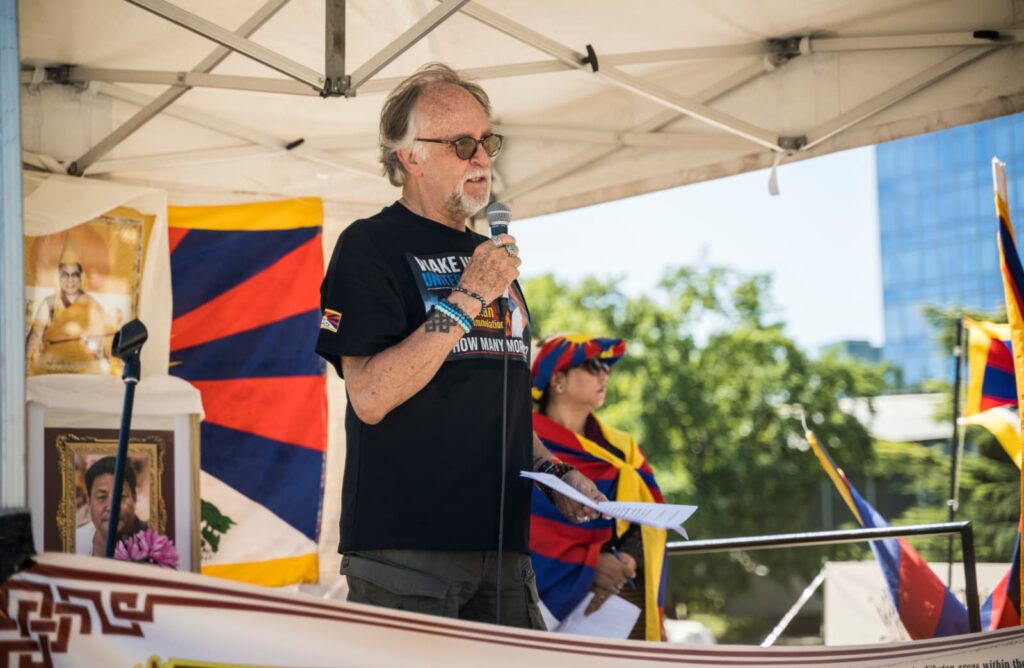
Among the distinguished guests present were Cédric Jeanneret, Member of the Grand Council of Geneva, who attended and addressed the gathering, and Merce, Secretary of UNPO, who also delivered remarks. Thomas Buchli, President of GSTF, read a Statement from the Swiss Parliamentary Group for Tibet. Representatives of the French-speaking Swiss Tibetan Friends group also spoke in solidarity with the Tibetan cause.
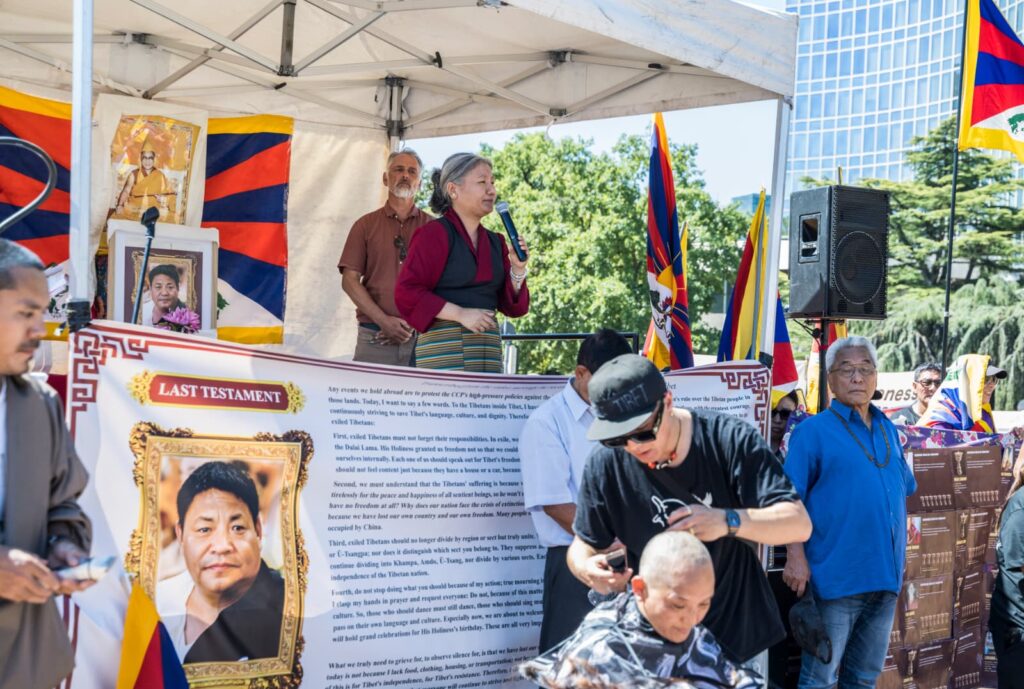
Representing the Tibet Bureau Geneva, Representative Thinlay Chukki, together with Phuntsok Topgyal, UN Advocacy Officer, and Sangye Kep, EU-China Liaison Officer, attended the demonstration. Representative Thinlay Chukki addressed the gathering and stressed that the commemoration was not only an expression of remembrance, but also a renewed appeal to the international community to act.
In her remarks, Representative Thinlay Chukki said that the gathering in front of the United Nations was particularly significant because it marked the 49th day since Lobga Rangzen sacrificed his life in front of the UN Headquarters in New York.
“As we assemble today here, we want to commemorate his sacrifice, but also signal to the international community that we have not lost faith and hope yet.” She recalled that Tibetans in exile, under the leadership of His Holiness the Dalai Lama, have consistently spoken for the rights and freedom of Tibetans inside Tibet since 1959. She said Lobga Rangzen’s sacrifice reflected the profound distress caused by policies that, in the Tibetan community’s view, threaten Tibet’s cultural identity, language and heritage.
Representative Chukki strongly criticised the Ethnic Unity and Progress Law, saying that its implementation represents a serious threat to Tibetan identity and cultural rights. She expressed concern that the law could further restrict the preservation and use of the Tibetan language and culture and intensify restrictions on those advocating for Tibetan rights.
She further warned that provisions targeting organisations and individuals who support Tibetan rights could contribute to transnational repression, extending the impact of restrictive policies beyond Tibet’s borders. “Therefore, I want to say to the United Nations, to the international community and the international organisations, we are here today to not only show a protest against the Chinese law, but also to state that we still have hope that you will stand for Tibetans, for Tibet and for Tibetans inside Tibet,” she said.
Addressing the UN human rights mechanisms and governments directly, Representative Chukki urged the UN Special Procedures, the UN High Commissioner for Human Rights, ambassadors and governments to move beyond expressions of concern and take meaningful action. “It is no longer okay to be silent. It is time that you stand up and speak and act on the words that you have committed for.” She also called on Tibetans and their supporters not to lose hope, emphasising the importance of unity and sustained international solidarity.
The commemoration concluded with prayers and a candlelight ceremony near the Broken Chair. Participants observed the 49th day in remembrance of Lobga Rangzen, while reaffirming their commitment to peaceful advocacy for Tibet and calling on the international community to stand with Tibetans facing restrictions on their language, culture, religion and identity.
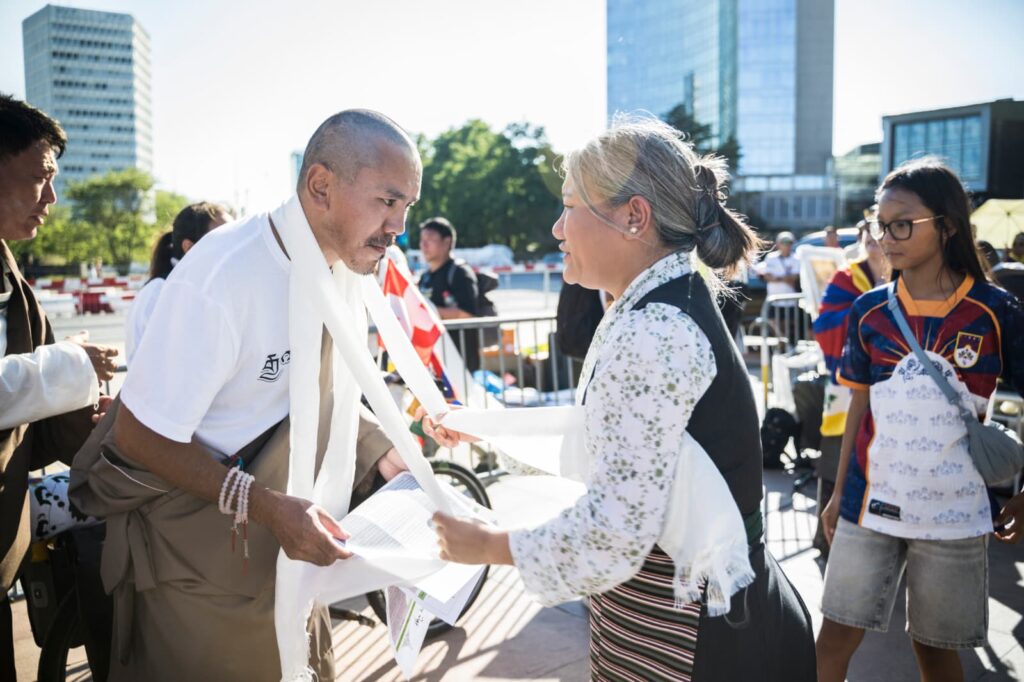
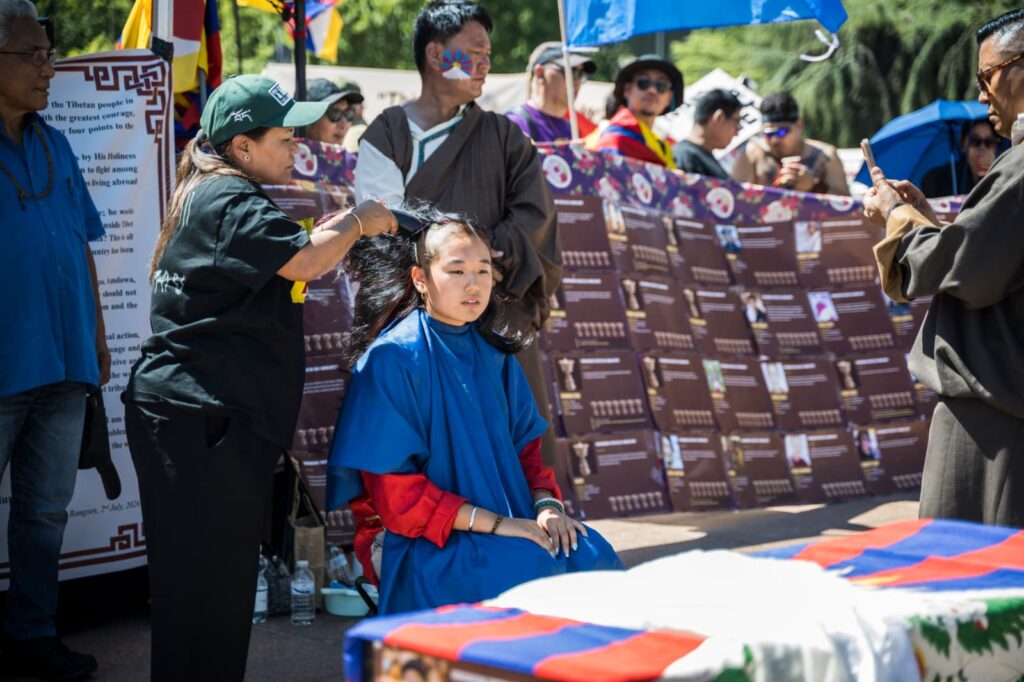
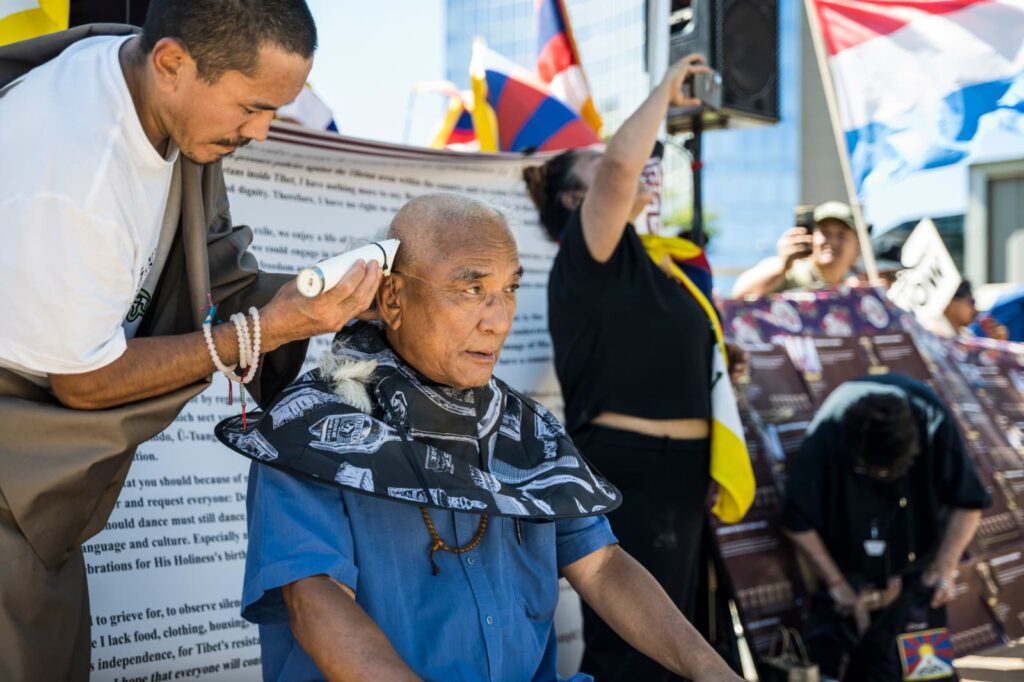
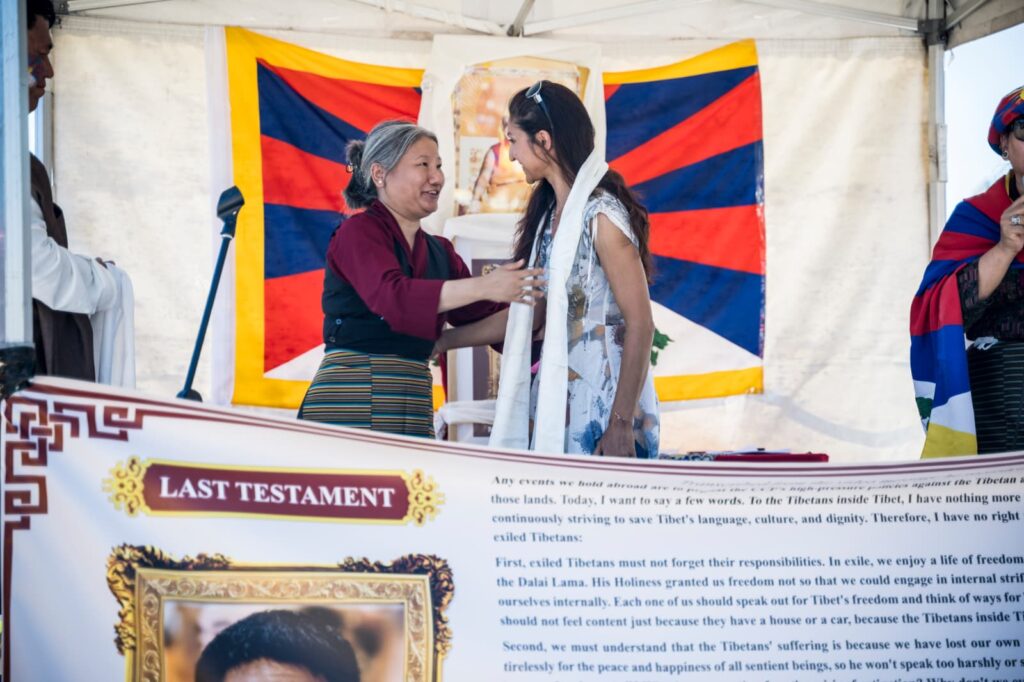
A symbolic hair-cutting ceremony was also held during the commemoration, adding a deeply emotional and cultural dimension to the day’s events. The gathering served as a powerful demonstration of solidarity among Tibetans across Europe and their international supporters. Standing before the United Nations, participants renewed their appeal for the UN and governments to uphold universal human rights and to ensure that the voices and rights of Tibetans inside Tibet are neither ignored nor forgotten.
The message from Geneva was clear: Lobga Rangzen’s sacrifice must not be forgotten, and the international community must not remain silent in the face of policies that threaten the survival of Tibet’s distinct identity, language and cultural heritage.