Tibetan Language and Cultural School Observes Tibetan National Identity Preservation Week in Switzerland and Liechtenstein
 Tibetan Language and Cultural School Observes Tibetan National Identity Preservation Week in Switzerland and Liechtenstein
The Tibetan Language and Cultural School of Switzerland and Liechtenstein organised a series of educational and cultural programmes from 23 to 27 September 2026 in Rapperswil-Jona, Zurich and Aarauto observe Tibetan National Identity Preservation Week. The programmes brought together Tibetan students, parents and teachers to deepen awareness of Tibetan national identity and encourage the younger generation to develop a stronger connection with their language, culture, heritage and traditional practices.
The programmes combined educational presentations with interactive cultural activities, including Tibetan songs, traditional tsampa preparation and demonstrations of traditional practices. This approach provided students with opportunities not only to learn about Tibetan identity but also to experience and practise elements of Tibetan cultural heritage.
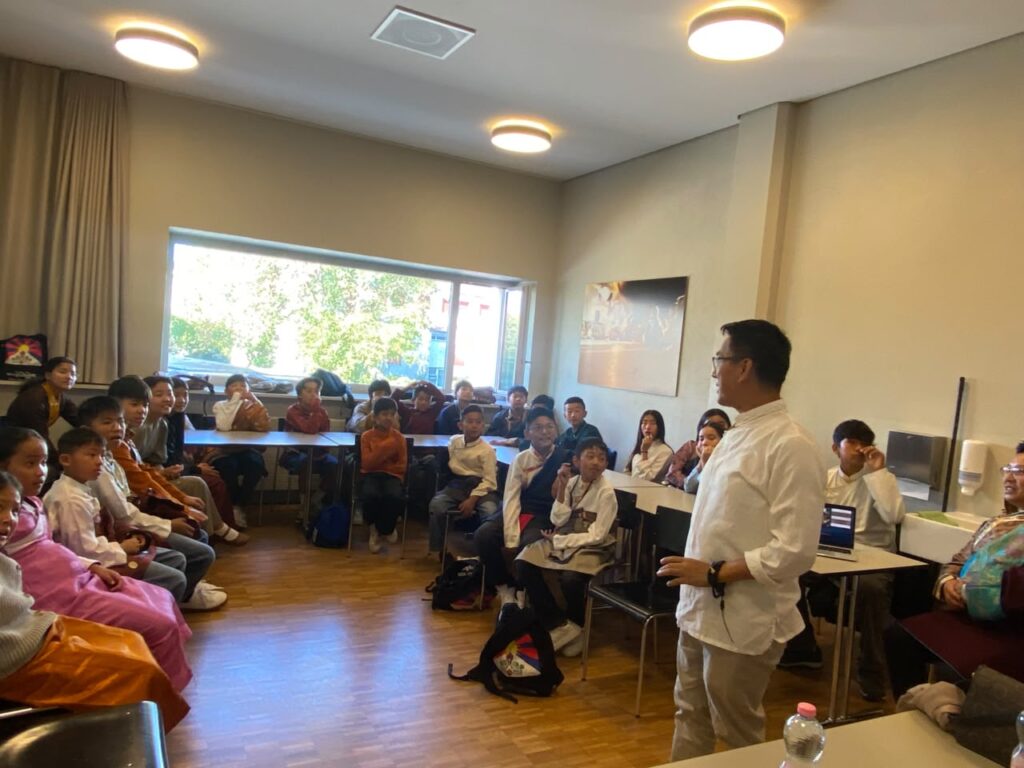
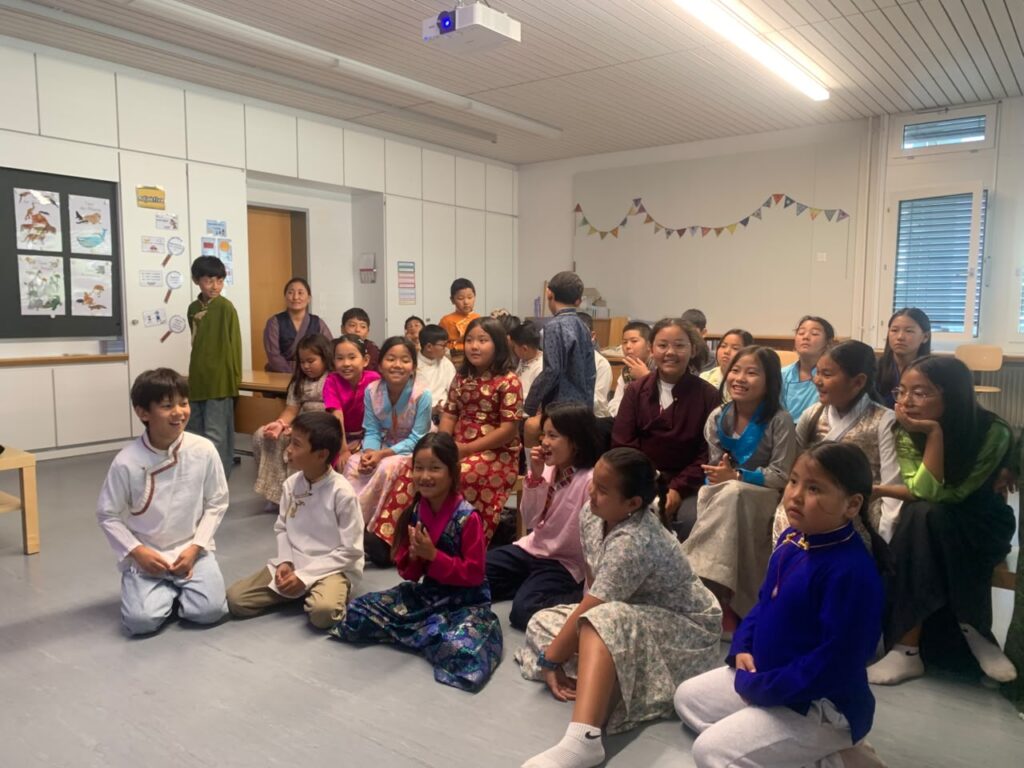
The first programme was held on 23 September 2026 at the Tibetan Language and Cultural School in Rapperswil-Jona, with the participation of approximately 35 students and their parents.
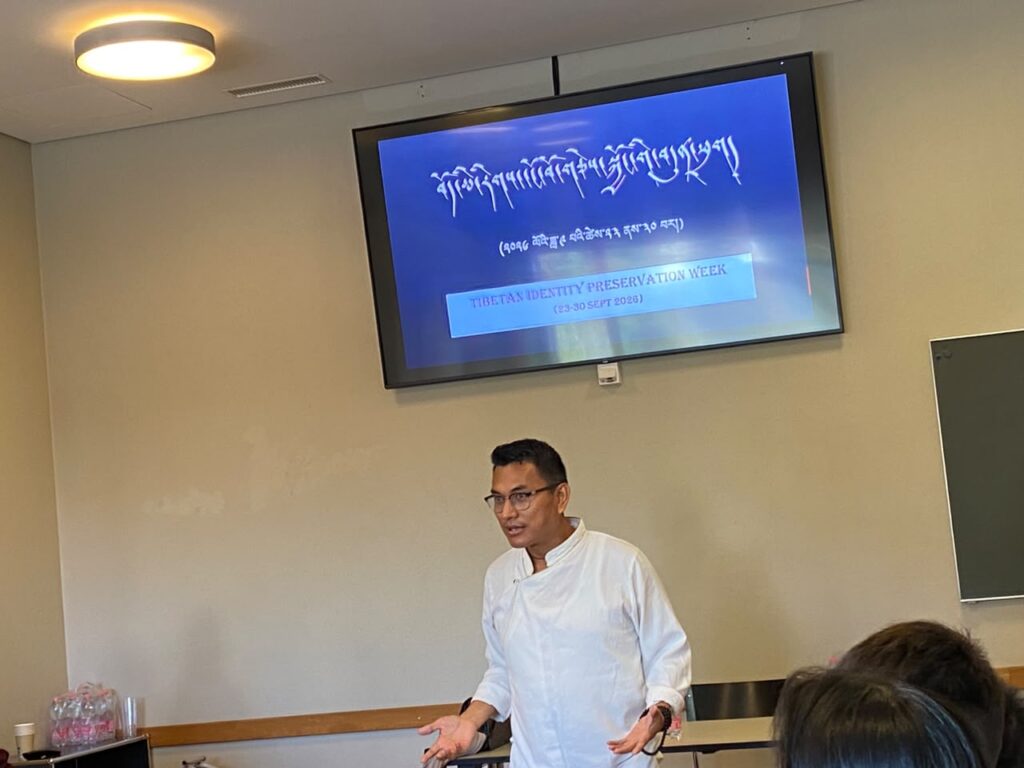
As part of the programme, Phuntsok Topgyal, UN Advocacy Officer, Office of Tibet, Geneva, delivered a PowerPoint presentation on Tibetan national identity. The presentation addressed several key themes, including “What Is Tibetan Identity?”, “Tibetan Heritage”, “Why Preservation Matters”, “Challenges to Preservation” and “The Role of Young Tibetans.”
The presentation explained that Tibetan identity is closely connected with the Tibetan language, history, literature, customs, cultural traditions, values, spiritual heritage and traditional knowledge. Students were encouraged to understand that these elements form an important connection between generations and provide a foundation for carrying Tibetan heritage into the future.
Particular emphasis was placed on the importance of the Tibetan language. Students were encouraged to learn, speak, read and write Tibetan and to use the language within their families and communities. The role of Tibetan schools was also highlighted as an important space where children can strengthen their language skills while learning about Tibetan history and cultural traditions.
The presentation also addressed some of the challenges Tibetan children growing up in Europe may encounter in maintaining their linguistic and cultural connections. These include living in a multilingual environment, having fewer opportunities to use Tibetan in everyday life and being exposed to different cultural surroundings. Students were encouraged to make full use of the opportunities provided by Tibetan schools, families and community organisations to maintain their connection with the Tibetan language and culture.
The session concluded by focusing on the role of young Tibetans. The students were encouraged to see themselves not only as learners of Tibetan culture but also as future custodians of their heritage. Participation in Tibetan language classes, cultural programmes and community activities was highlighted as an important way for young Tibetans to contribute to the continued transmission of Tibetan traditions.
Following the presentation, Topgyal sang Tibetan songs together with the students. The interactive singing session created a lively and enjoyable atmosphere while giving the children an opportunity to participate directly in Tibetan cultural expression.
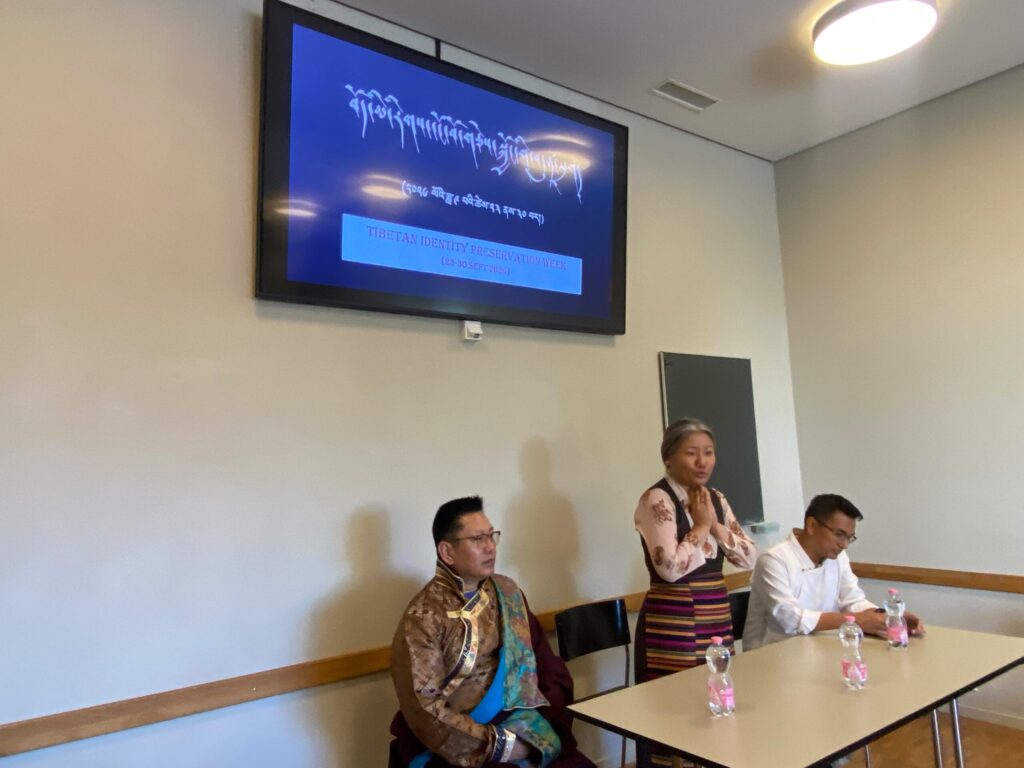
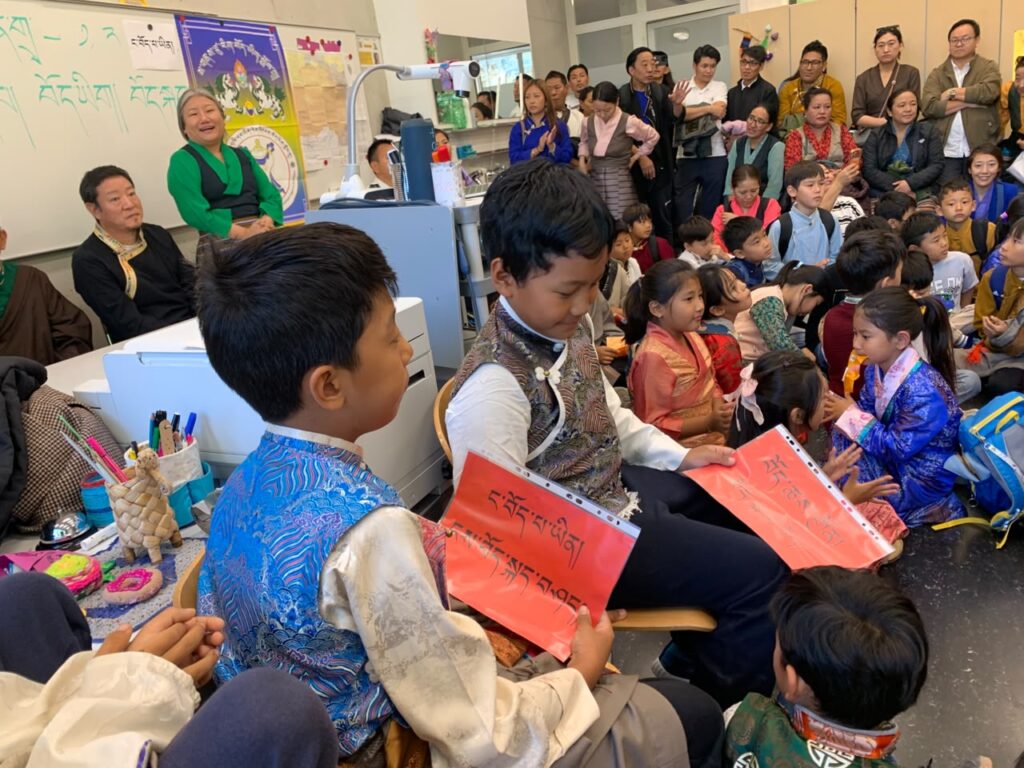
A larger programme was held on 26 September 2026 at the Zurich Tibetan Language and Cultural School, with the participation of Representative Thinlay Chukki, Phuntsok Topgyal and Tsepak Wangmo. More than 80 Tibetan students between the ages of 8 and 16, together with their parents and teachers, participated in the programme.
At the beginning of the programme, Representative Thinlay Chukki introduced the students to Tibetan National Identity Preservation Week and explained the purpose and significance of the observance. She emphasised the importance of preserving Tibetan language, cultural knowledge, traditions and values, particularly among younger generations growing up outside Tibet.
The Representative also highlighted the important role of Tibetan schools and families in creating opportunities for children to learn and practise their heritage. She encouraged parents and teachers to support children in speaking Tibetan, participating in cultural activities and learning about Tibetan history and traditions.
Topgyal then delivered a detailed presentation covering Tibetan identity, Tibetan cultural heritage, the importance of preservation, challenges to cultural and linguistic continuity, and the role of young Tibetans. The presentation encouraged students to reflect on their own experiences and understand that cultural preservation is not only a responsibility of previous generations but also an ongoing responsibility in which young Tibetans can actively participate.
The presentation was followed by Tibetan songs, with the students joining Topgyal in singing. The activity created a lively cultural exchange and encouraged the children to participate actively in the programme.
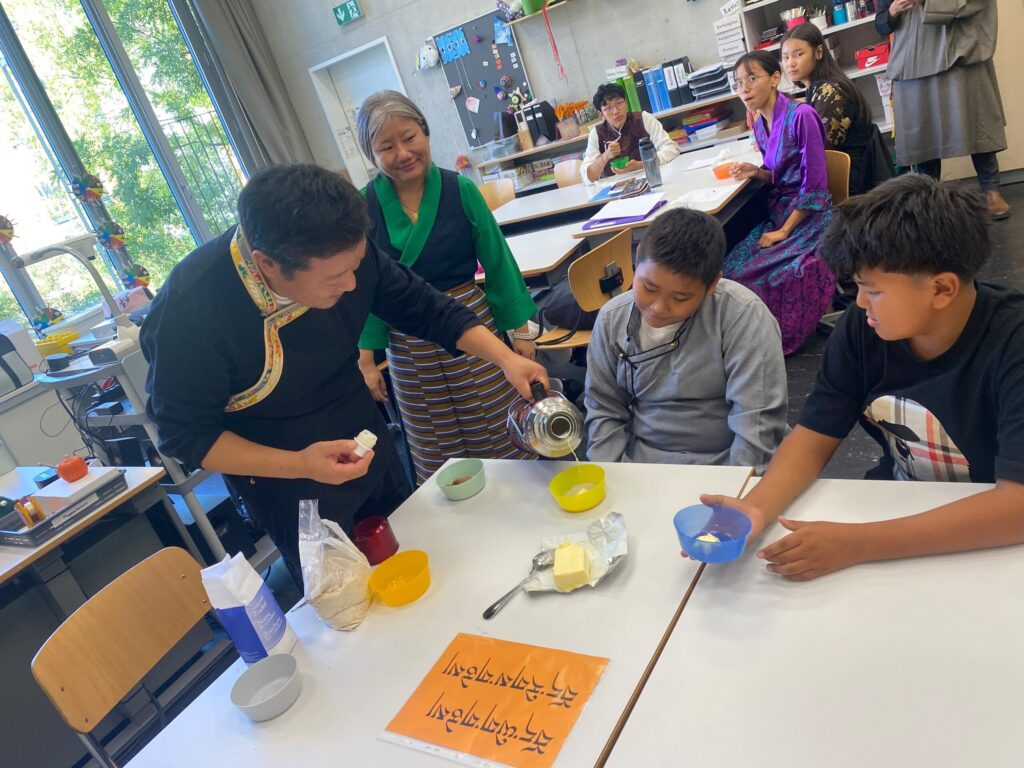
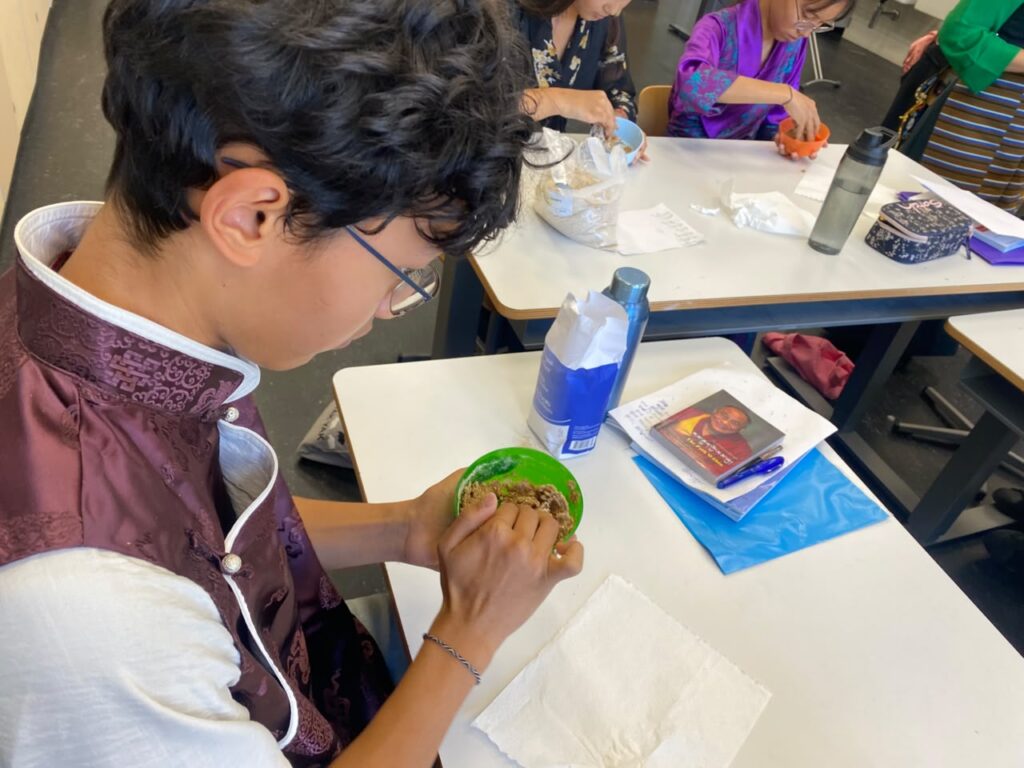
An important component of the Zurich programme was the introduction of traditional tsampa preparation. Rather than simply learning about the tradition, students were given an opportunity to participate directly in its preparation and experience this aspect of Tibetan cultural practice.
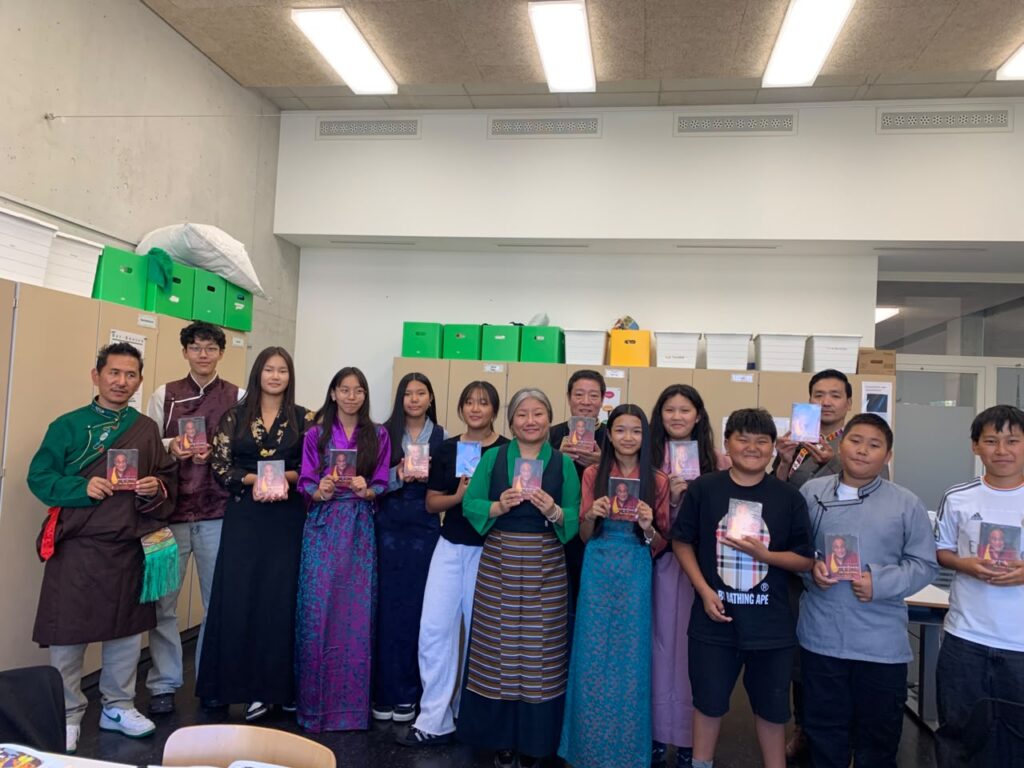
The programme continued on 27 September 2026 in Aarau, bringing together more than 35 Tibetan students between the ages of 8 and 17, along with their parents and teachers.
Representative Thinlay Chukki opened the programme by explaining the significance of Tibetan National Identity Preservation Week and the importance of maintaining a living connection with the Tibetan language, culture and traditions. She encouraged the students to take an active interest in their Tibetan heritage.
Topgyal subsequently presented the educational session on Tibetan identity and cultural preservation, revisiting the key themes of Tibetan Identity, Tibetan Heritage, the Importance of Preservation, Challenges to Preservation and the Role of Young Tibetans.
Students were encouraged to consider how they could contribute to preserving Tibetan identity in their own daily lives. Speaking Tibetan at home, attending Tibetan language school, learning traditional songs, understanding Tibetan customs and participating in community activities were highlighted as practical ways of maintaining cultural continuity.
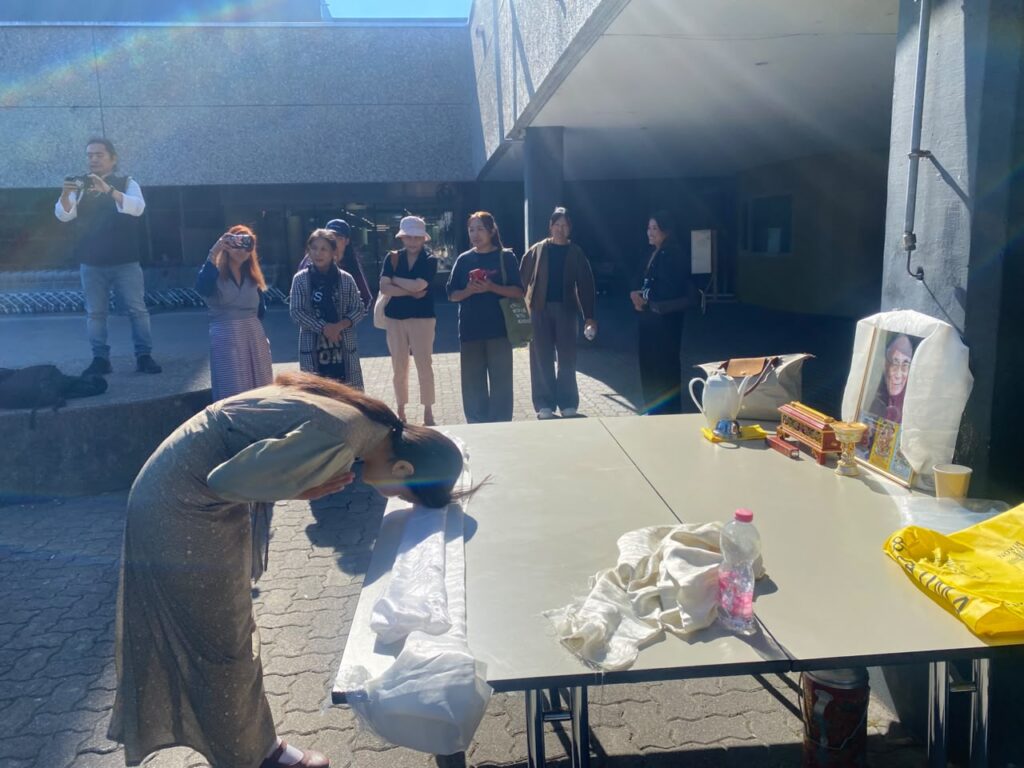
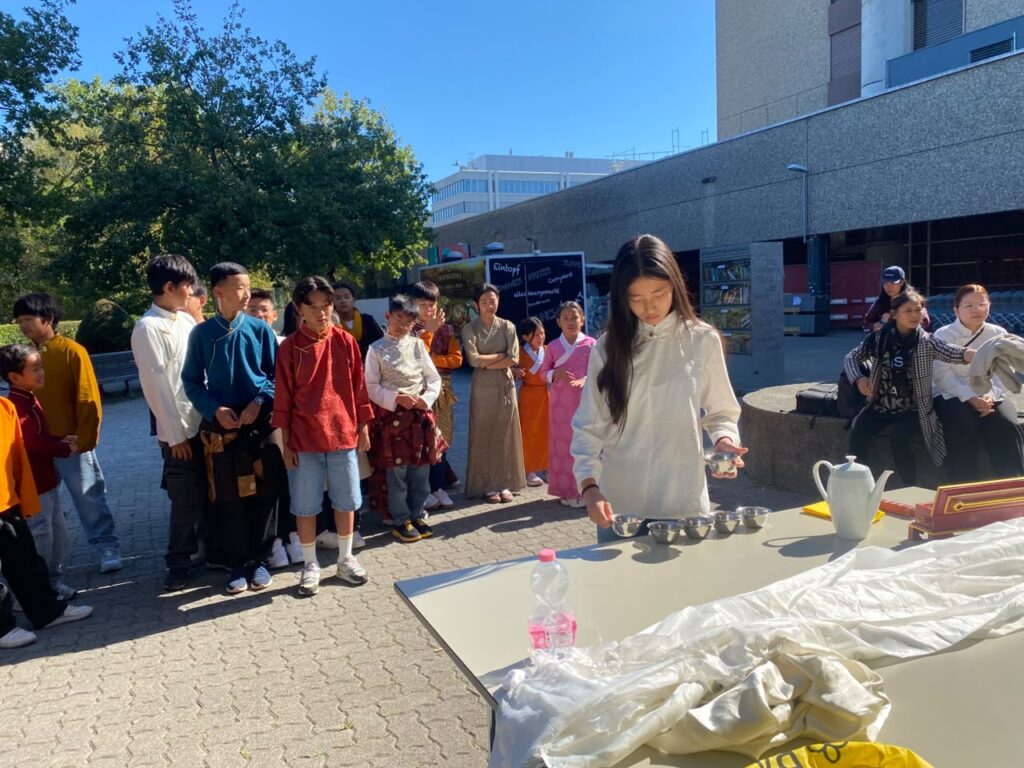
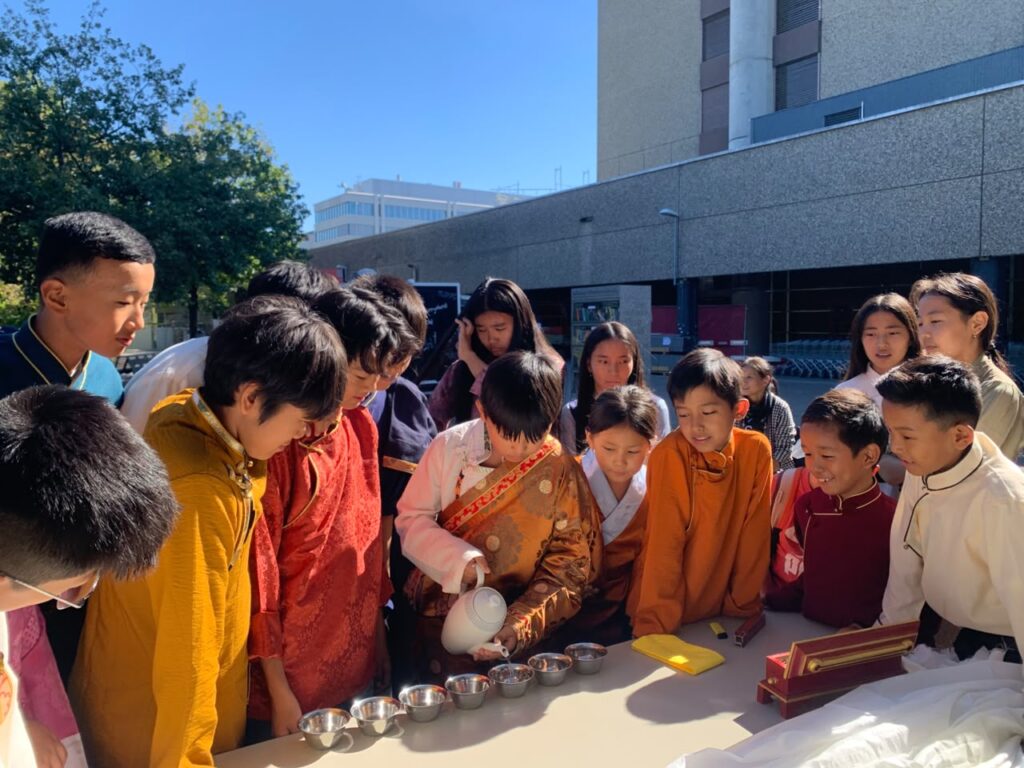
The educational session was followed by practical cultural activities. Students were taught how to prepare tsampa according to traditional Tibetan practice and were also introduced to the traditional practice of making water offerings. The students participated directly in the activities and demonstrated what they had learned.
The children participated with enthusiasm and enjoyment. The practical activities enabled them to experience aspects of Tibetan traditional life directly and helped connect classroom learning with cultural practice. The water-offering activity also provided an opportunity to introduce students to traditional practices associated with Tibetan spiritual and cultural heritage.
The observance of Tibetan National Identity Preservation Week from 23 to 30 September 2026 in Rapperswil-Jona, Zurich and Aarau demonstrated the importance of creating meaningful opportunities for young Tibetans to learn, practise and experience their language, culture and heritage. Through presentations, traditional songs, tsampa preparation, water offerings and other cultural activities, students were able to connect classroom learning with practical experience.
The programmes also underscored the shared responsibility of students, parents, teachers and Tibetan community institutions in preserving Tibetan identity. By strengthening Tibetan language, cultural knowledge and everyday traditions, such initiatives help younger generations maintain a meaningful connection with their heritage while growing up in Switzerland and Liechtenstein.