7th Tibetan Language and Culture Summer Camp Inspires Young Tibetans in Switzerland
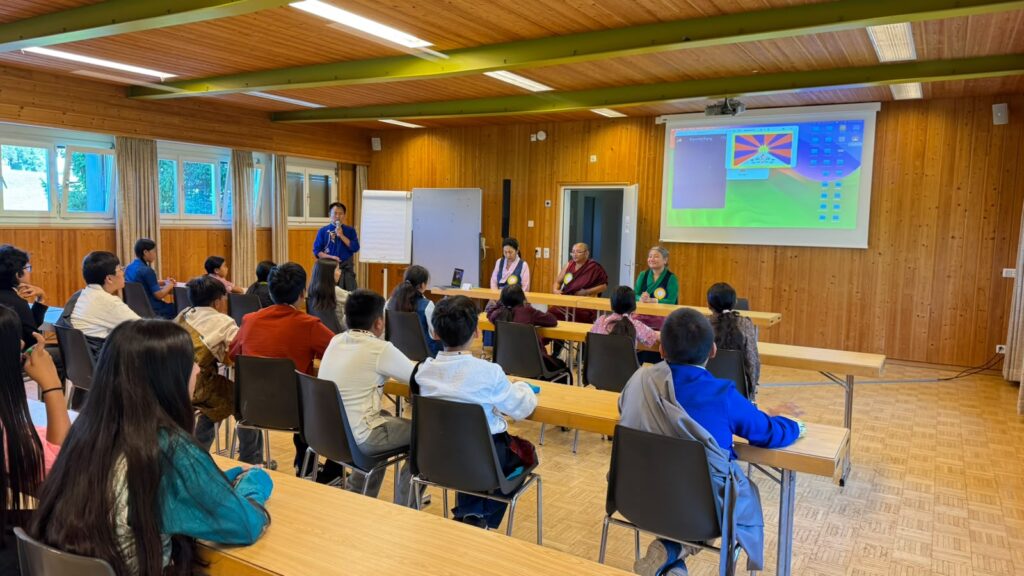
The 7th Tibetan Language and Culture Summer Camp, organised by the Tibetan Language and Culture Schools under the Tibetan Community in Switzerland, was successfully held from 19 to 25 July 2026 in Einsiedeln, Switzerland. The week-long camp brought together 24 Tibetan children, aged 9 to 14, providing them with a valuable opportunity to strengthen their knowledge of Tibetan language, culture, history, and identity.
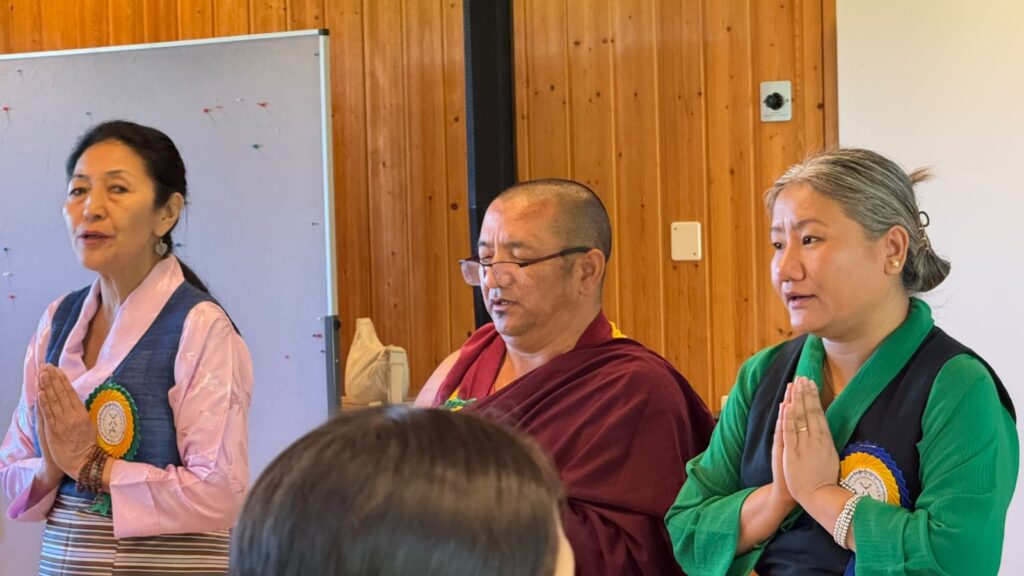
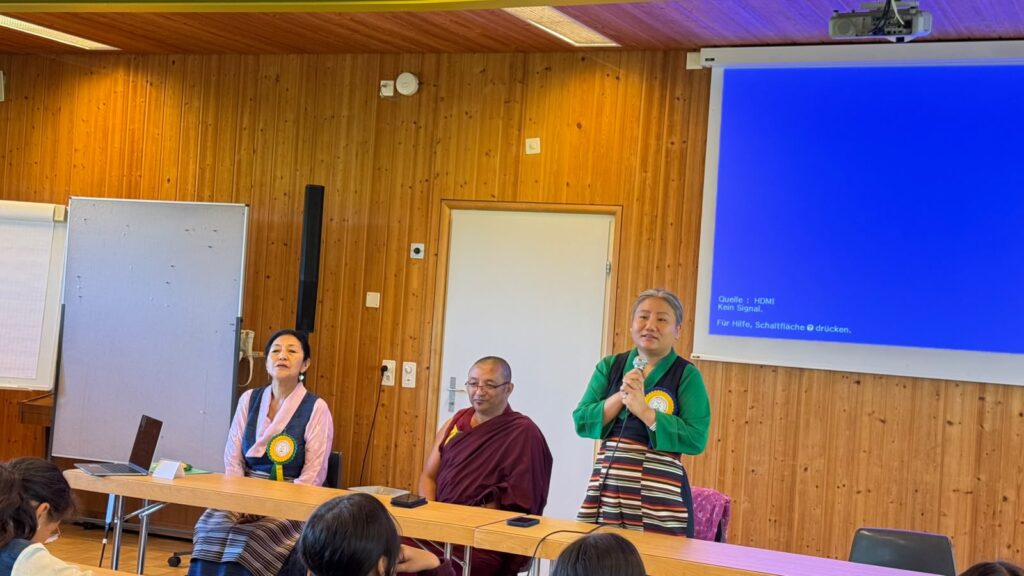
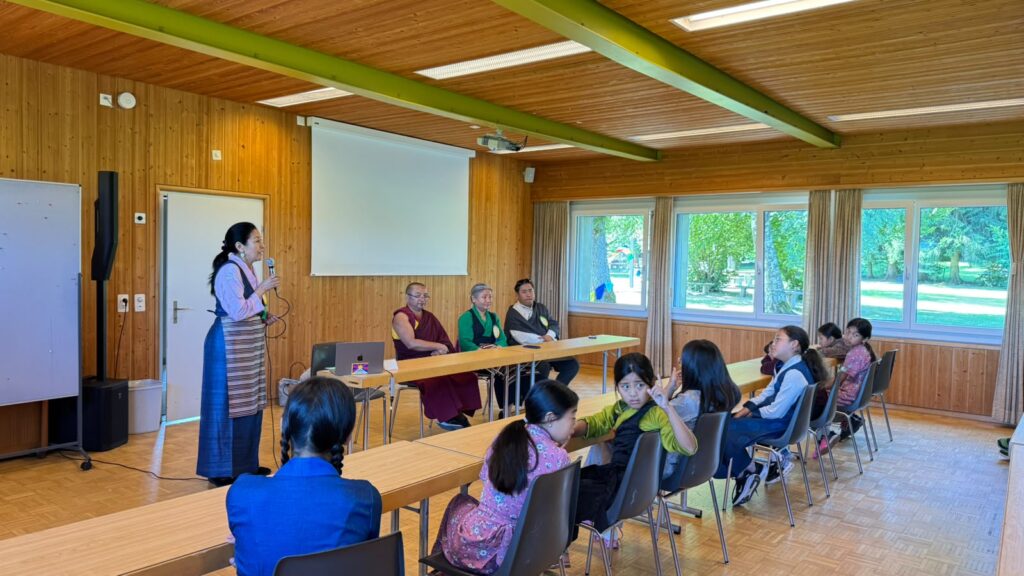
On the auspicious occasion of Lhakar, Thinlay Chukki, Representative of His Holiness the Dalai Lama at the Office of Tibet, Geneva, addressed the participants on the importance of preserving Tibetan language, culture, and identity. She also highlighted the challenges facing Tibetan children inside Tibet, particularly concerns over the residential boarding school system and its impact on Tibetan language, culture, and traditional values.
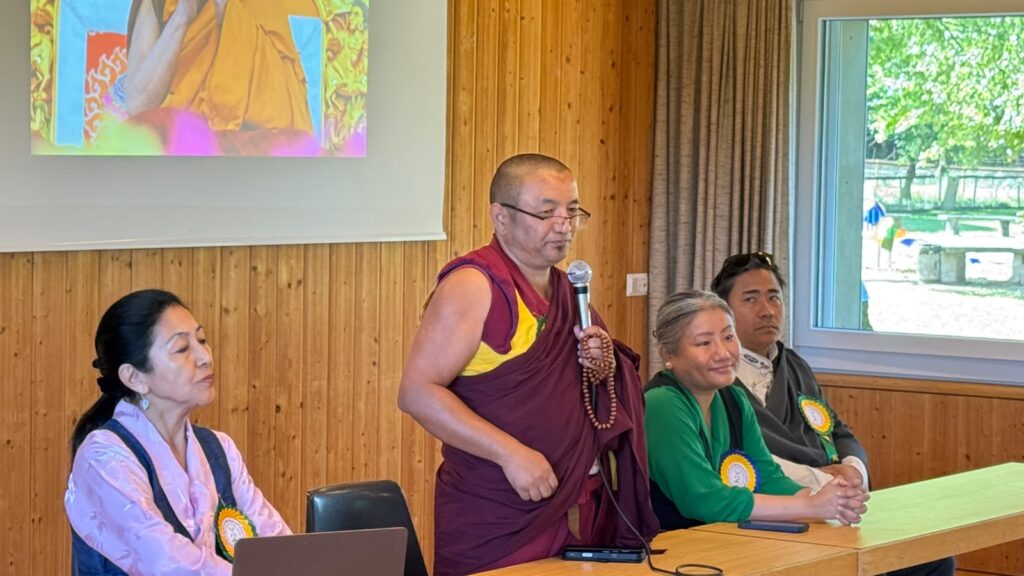
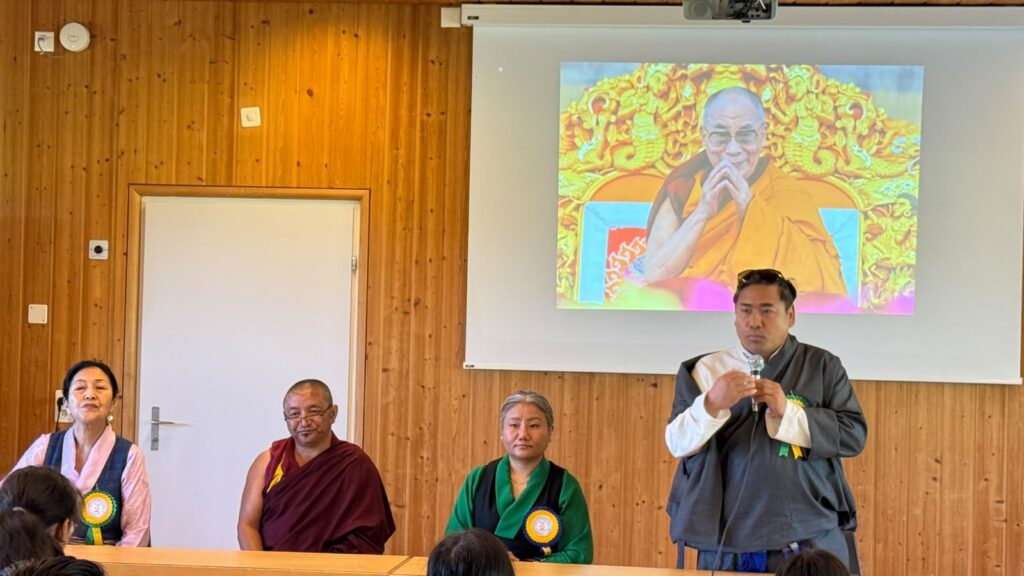
Khenpo Tenzin Jangchup, Abbot of the Rikon Tibet Institute, spoke on the meaning and significance of Lhakar, while Kalsang Kangrang, Vice President of the Tibetan Community in Switzerland, encouraged the children to remain committed to learning and preserving their cultural heritage.
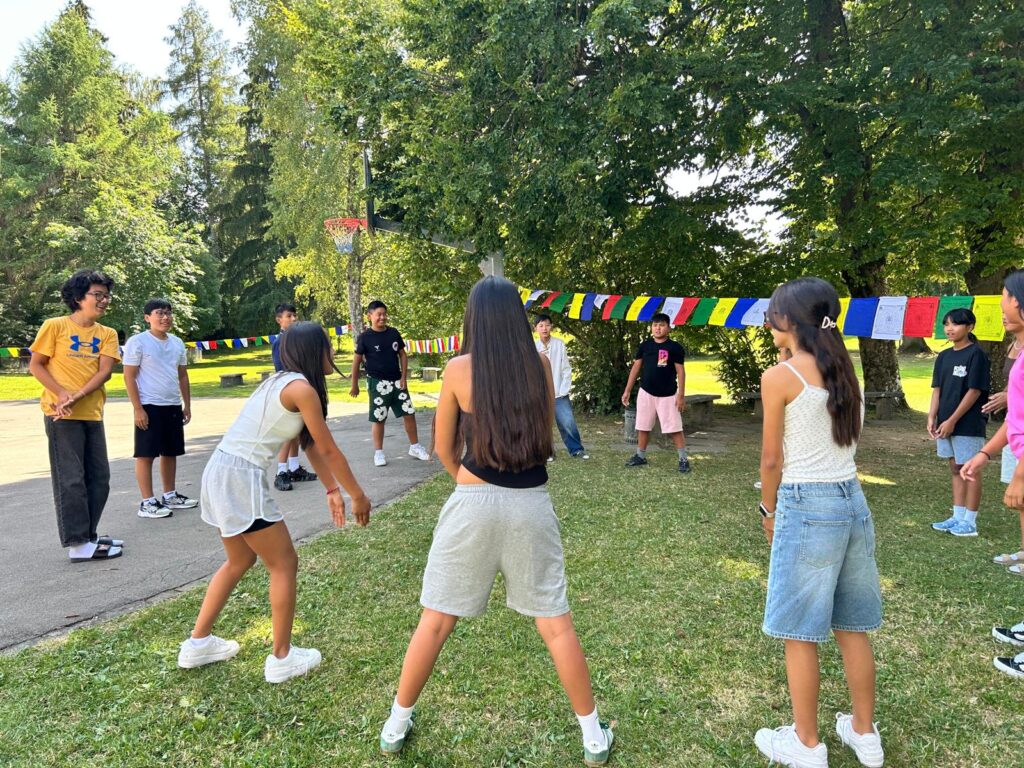
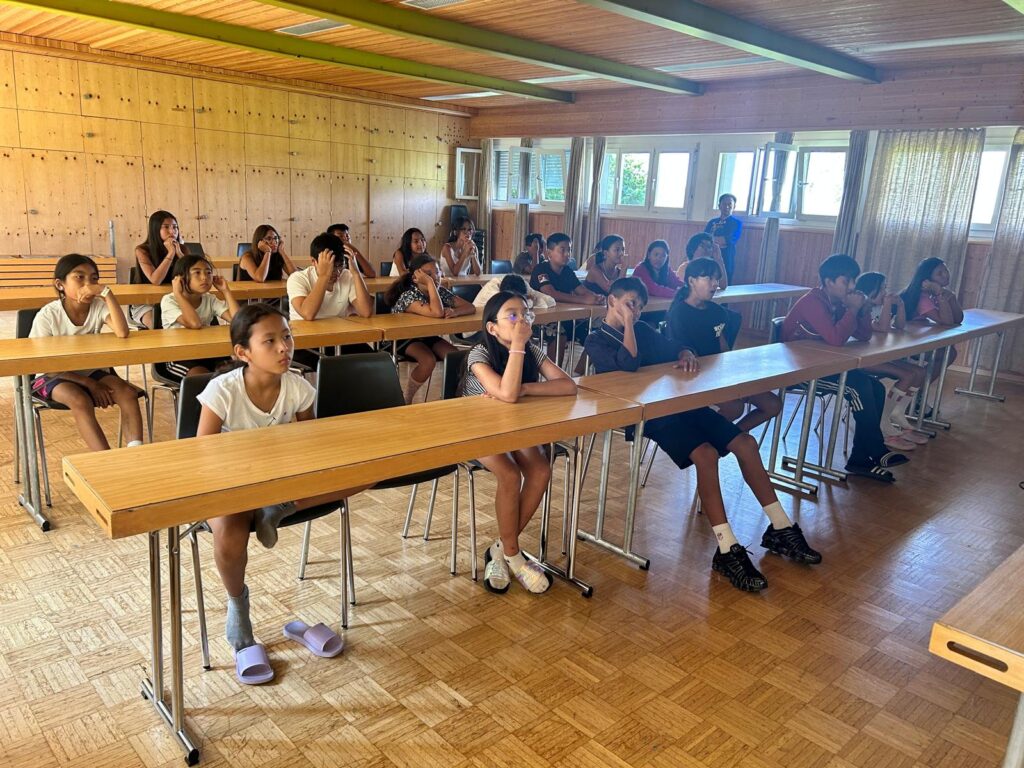
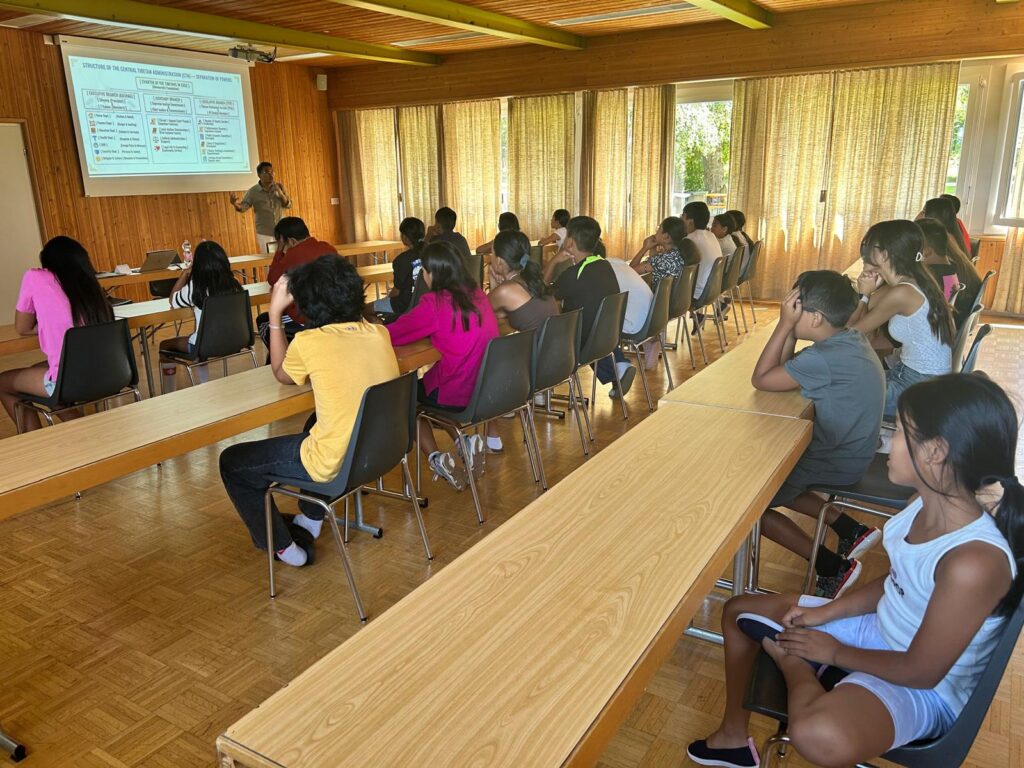
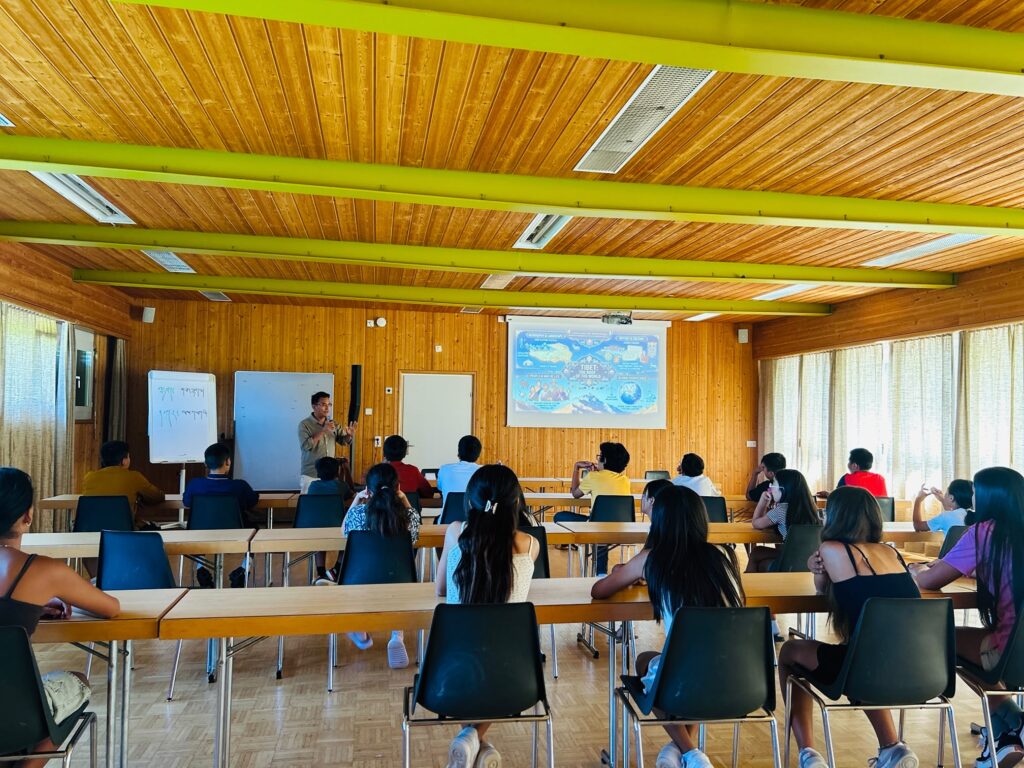
Throughout the seven-day programme, participants attended classes on Tibetan language, Tibetan Buddhism, Tibetan history, Tibetan songs and musical instruments, Lhakar and Sangsol, and the introduction to Central Tibetan Administration (CTA). They also took part in practical activities such as momo making, Tibetan cooking, traditional Gorshey dance, games, quizzes, Tibetan Tombola, and talent shows based on Tibetan themes. Each day began with yoga, meditation, and prayers, creating a positive environment for learning and personal growth.
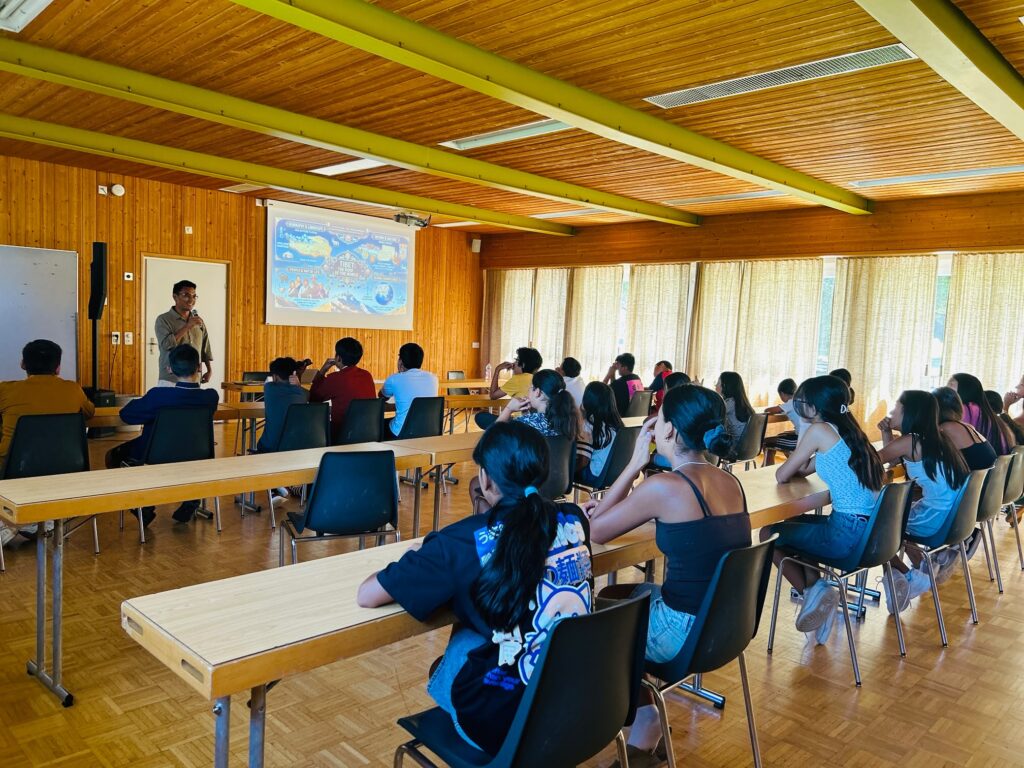
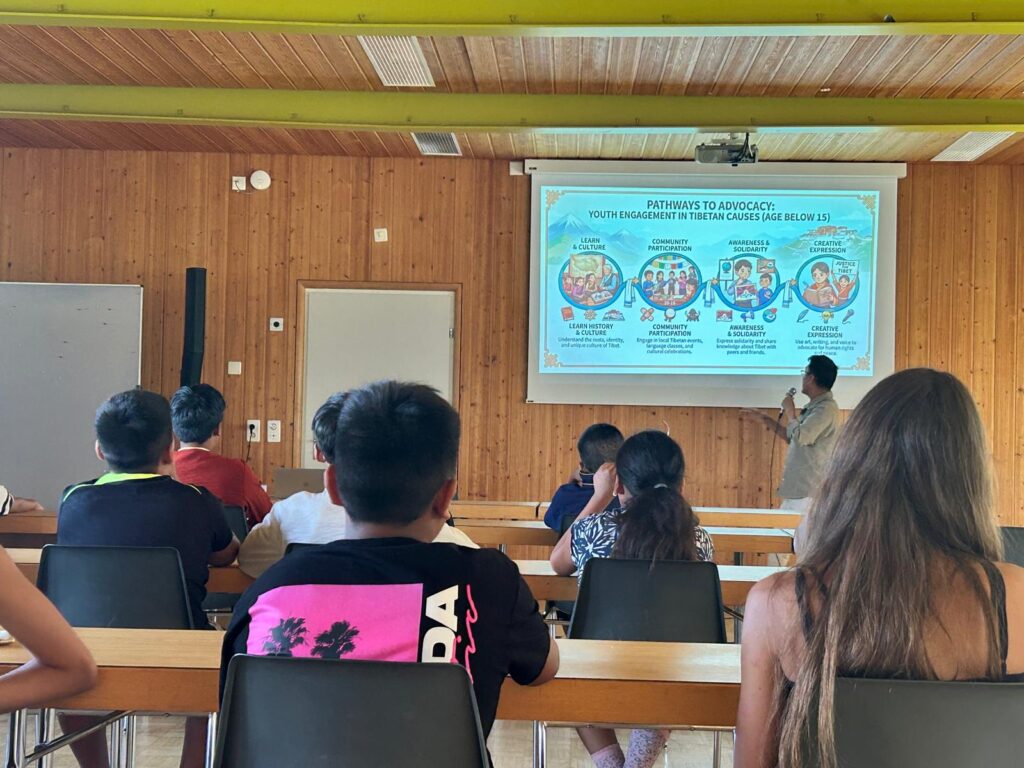
A key highlight of the camp was an interactive workshop led by Phuntsok Topgyal, UN Advocacy Officer at the Office of Tibet, Geneva. He introduced the children to Tibet’s history, geography, culture, and the establishment and evolution of the Central Tibetan Administration. He also explained the development of Tibetan democracy and encouraged the participants to recognise their responsibility as the future generation of Tibetans by learning their history, actively engaging with the Tibetan community, and preserving their language and cultural identity.
Throughout the camp, children were encouraged to communicate in Tibetan, helping them build confidence in speaking their mother tongue and strengthening their connection to their heritage.
Parents expressed their appreciation for the camp, noting its positive impact on their children’s confidence, cultural awareness, and sense of identity.
The successful completion of the 7th Tibetan Language and Culture Summer Camp reflects the continued commitment of the Tibetan Community in Switzerland to nurturing the next generation and ensuring that Tibetan language, culture, and identity continue to thrive in the free world.
–